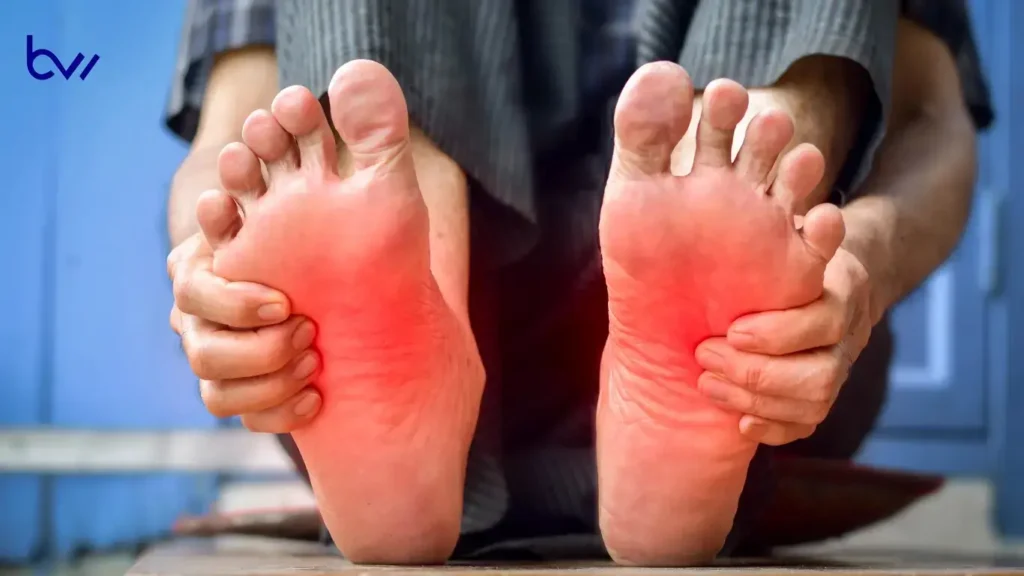
Many people wonder, “What Is Foot Corn Disease?” It may seem like a minor thing, but a person who has experienced foot corn will attest to just how painful it can be. Foot corn diseases are relatively familiar to many and affect millions worldwide, characterized by small lumps formed on the toes or soles of the feet. The appearance of these lumps arises from repeated pressure and friction; thus, walking or standing becomes a bit uncomfortable.
In plain words, a foot corn is a thick layer of skin. This results from pressure or friction. This is basically the body’s attempt to safeguard the tender skin underneath. However, in most instances, this is the retaliation method usually corroborated by a protective measure. TThis center is responsible for the stinging, sharp, concentrated pain you feel whenever you walk.
It is in this respect that we will be explaining what foot corn disease is, for what reasons it develops, how it feels, and what the most effective treatment and prevention methods are.
What Causes Foot Corns?
The root cause of corns is always excessive pressure and friction on the skin. Your skin is very sensitive to stress. When a specific spot is repeatedly rubbed or squeezed, it reacts by thickening to shield the tissue beneath.
The following are the main causes that result in corns on the feet:
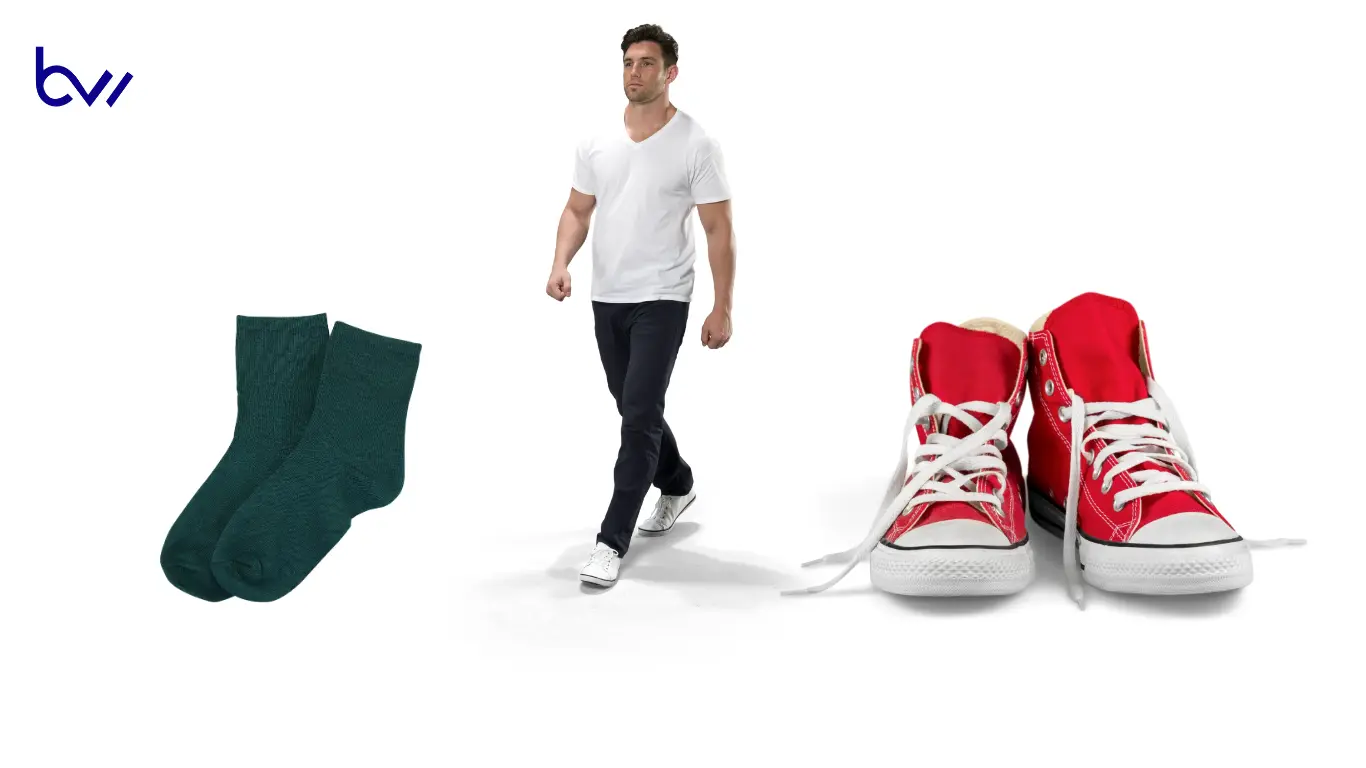
- Ill-fitting shoes: These are the biggest culprits; shoes that are too tight or too loose, and those with high heels. The tight shoes compress the toes, while the loose shoes cause the foot to slide and rub.
- Wearing no socks: Particularly with ill-fitting apparel that gives pressure to the feet, can contribute to constant and increasing friction against the skin.
- Deformities of the foot: This would include conditions such as bunions, hammertoes, or bone spurs that alter the structure of the foot. The structural changes push bones against the skin of adjacent toes or the inside of the shoe, causing pressure points.
- Irregular walking pattern: The unusual gait of walking results in an irregular distribution of body weight. Consequently, friction occurs in areas that are not used to bearing so much stress; this often results in a corn on the bottom of the foot.
How Do Foot Corns Form?
It is a gradual foot corn formation, also known as hyperkeratosis.
- Initial Friction: Due to an external factor, such as a shoe or an adjacent toe, there is repeated rubbing or pressure on the skin.
- Skin’s Defense: The body senses this irritation and begins to produce excessive skin cells, or keratinocytes, over that particular area.
- Thickening: The new cells become compacted, creating a thick layer of hard, protective skin. This is how a corn or callus first develops.
- Inward Growth: Unlike a callus, which stays relatively flat and spread out, a corn develops a dense, central core. This core is shaped like an inverted cone or wedge.
- Pain: The pointed apex of this cone pushes deep into the underlying nerve endings and sensitive tissue. It is this focused pressure that accounts for the tenderness of painful foot corns when weight is applied.
Types of Foot Corns
Not all corns are the same. They differ in location, appearance, and texture. Knowing the type you have is helpful for choosing the right foot corn treatment.
Hard Corns on Feet
- Appearance: Small, concentrated area of hard skin with a defined, dense, and yellowish-white center.
- Location: Most often found on the top of the toes (over a joint) or on the outer side of the little toe. They frequently appear as a hard corn on the foot.
- Cause: Typically caused by pressure from restrictive footwear or a bony prominence.
Soft Corns Between Toes
- Appearance: White or grayish, softer, and rubbery in texture. They are typically surrounded by thin skin.
- Location: Found between the toes, usually between the fourth and fifth toes. This area is constantly moist due to sweat.
- Cause: Caused by the friction between the adjacent bony prominences of the toes, compounded by the moisture that keeps them “soft.” They are often very tender.
Seed Corns on Soles
- Appearance: Tiny, distinct, pinpoint-sized bumps that often appear in clusters. They look like small seeds.
- Location: Commonly found on the sole or heel, often in non-weight-bearing areas. This is why they are sometimes called a seed corn on foot.
- Cause: They are often caused by blocked sweat ducts or very dry skin, but localized pressure can also contribute. They are generally less painful than hard or soft corns.
Symptoms of Foot Corns
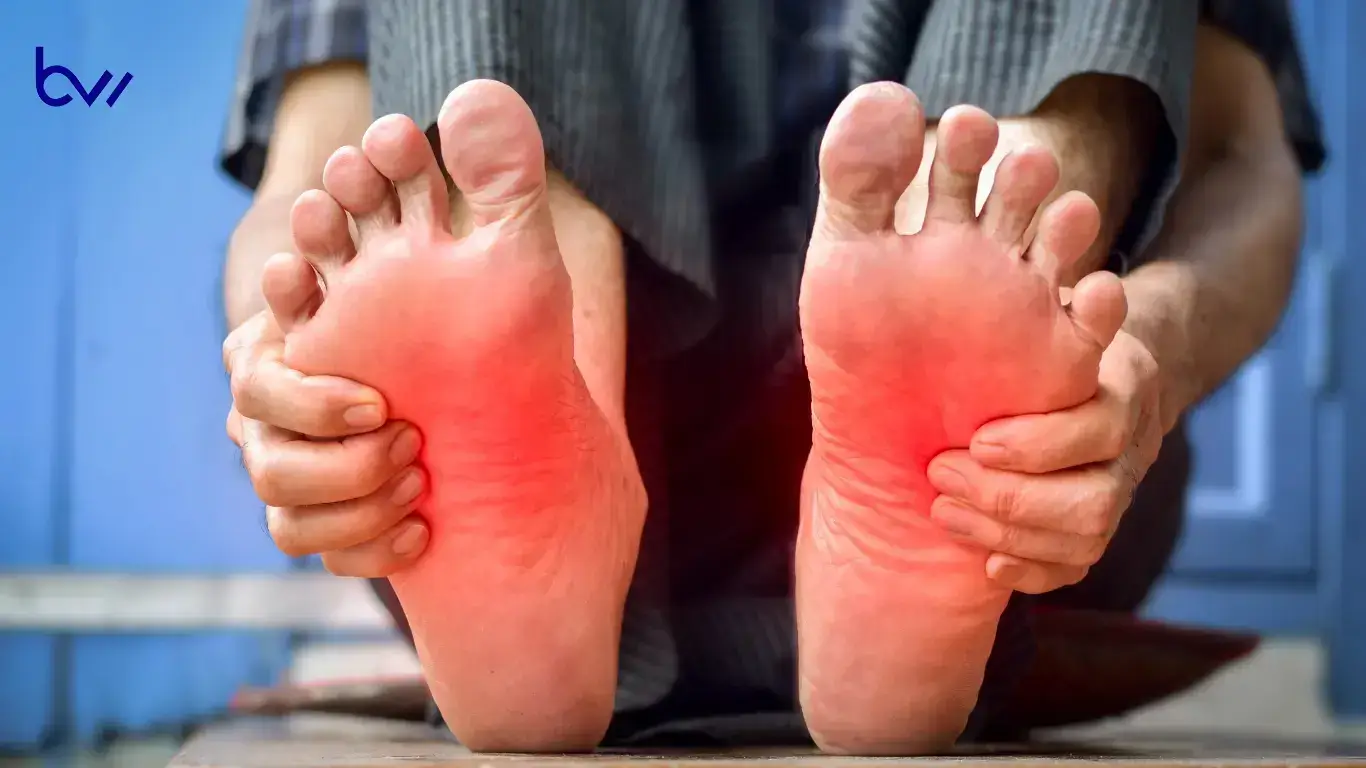
Recognizing a foot corn is relatively straightforward. What does a foot corn look like and feel like?
The main symptoms include:
- A small, raised, circular or oval bump of thickened skin.
- A dense, hard center or core in the middle of the thickened skin.
- Tenderness or pain when the area is pressed or rubbed.
- Flaky, dry, or waxy skin around the corn.
- Soft corns appear white or gray and have a rubbery texture due to moisture.
Foot Corn vs Callus
It’s easy to confuse a foot corn with a callus. Both are patches of thickened skin, but they have distinct differences.
| Feature | Foot Corn | Callus |
| Shape | Small, circular, and defined. Has a hard, central core. | Larger, less defined, and spread out. No central core. |
| Size | Small, usually less than half an inch across. | It can be very large, covering a wide area of the foot. |
| Location | Typically forms over bony prominences (joints, sides of toes). | Forms in areas of broad friction (balls of the feet, heels). |
| Pain | Often very painful when pressed due to the deep core. | Generally, painless or mildly tender, acting as a protective cushion. |
| Medical Term | Heloma | Tyloma |
Risk Factors for Foot Corns
Several factors increase your likelihood of developing foot corn disease:
- Improper Footwear: Wearing high heels, shoes with narrow toe boxes, or shoes that are too tight or too loose.
- Foot Deformities: Conditions like hammertoes, bunions, bone spurs, and scoliosis.
- Age: As people age, the fatty padding in their feet thins out, offering less natural cushioning against friction.
- Occupations: Jobs that require long periods of standing or walking.
- Not Using Socks or Protective Padding: Lack of a barrier between the skin and the shoe.
Complications of Foot Corns
Even though it is mostly innocuous, a corn cannot be overlooked. In susceptible individuals, when a corn is left untreated, some serious issues can potentially develop:
- Ulceration: This is because it may bring chronic pressure on the skin, which might develop into an ulcer on the foot.
- Infection: Bacteria may enter the open sore, which can cause a skin infection (cellulitis), as well as a bone infection (osteomyelitis).
- Chronic Pain: Severe, undrained corns can significantly impact your walking stride, causing knee, hip, and back problems.
Such issues pose a significant problem, especially for people with conditions such as diabetes or circulation problems.
Diagnosis of Foot Corns
The diagnosis of a foot corn is easy, and it can be carried out by a podiatrist (foot specialist) or a general physician.
The doctor will:
- Inspect the Foot: They will examine the area that is impacted, as well as the skin around it. Using a scalpel, they can peel back the top layer of thickened skin to expose the core, which helps to confirm the diagnosis.
- Evaluate Tenderness: They may press upon the area, as well as squeeze (to check for a wart), in order to reach a determination of the type of pain that is felt.
- Review Footwear: The examining physician will probably query your footwear usage in order to find and eliminate the real problem.
- X-ray (If required): In cases where a problem, such as a bone spur or deformity,y is considered a potential cause, an X-ray might be required to examine the bone structure.
Treatment for Foot Corns
The aim of treating a foot corn is to reduce pressure on the area and eliminate the thickened skin.
- Paring/Shaving: In this, a significant part of the corn can be safely removed by a podiatrist with a clean scalpel. This is known as debridement. It is mostly a painless process, as the removed part is dead. This is the quickest way to reduce pain.
- Chemical Treatment: Over-the-counter (OTC) or prescription liquid corn removers are salicylic acid preparations. This acid breaks down the keratin, a protein that constitutes a part of a corn, because of which the corn exfoliates from the skin surface.
- Padding: The use of corn foot pads or donut bandages helps to shift pressure from the center of the corn, thereby providing relief to the area until the cause is rectified.
- Corrective Footwear: The best way to rectify this is to change to footwear that provides a deeper toe box.
- Orthotic devices: Shoe inserts, whether prescription units called orthotics or over-the-counter devices, can help overcome biomechanical problems, which helps to redistribute the weight of the body evenly on the foot to avoid a corn on the bottom of the foot.
Home Remedies for Foot Corn Removal
There are many people who are seeking a solution on how to remove a foot corn without visiting a doctor. There are a couple of things that you can do at home.

- Soaking: Soak your feet in warm water for a period of 10 to 20 minutes. This helps to soften your corn, making it easier to peel dead skin cells.
- Pumice Stone: After soaking, use a pumice stone or an emery board to exfoliate your corn. The motion used is a series of light circular motions, which aim to wear down the thickened area, not turn it raw.
- Moisturizing: Use a rich moisturizing cream on the area after filing. This helps prevent the dryness that may make the corn harder.
- Padding: The padding should be non-medicated felt or foam foot corn pads.
- Caution: Never use razor blades, scissors, or other sharp instruments to cut, trim, or shave a corn. This practice increases your susceptibility to infection.
When Surgery Is Needed for Foot Corns
For most corns, treatment can be performed without resorting to surgery. In some instances, surgery is required.
Surgery is generally considered when:
- The reason is a bony deformity (such as a bone spur or a bad case of hammertoe), which cannot be alleviated by conservative treatment (pads, etc.).
- The corn is a persistent problem, with significant pain, which affects the life of the suffering member.
- The surgeon performs a minor procedure to shave down or realign the small bone causing the friction. This eliminates the pressure point permanently.
Can Foot Corns Come Back?
Yes, foot corns can come back.
A corn is a symptom, not the core problem. If a doctor successfully performs foot corn removal, but you return to the same tight shoes or keep the same irregular walking gait, the pressure and friction will return. As a result, the skin will thicken again to protect itself, and a new corn will form. Follow on us Instagram.
Prevention of Foot Corns
It is much easier to prevent foot corn disease than it is to treat it. Follow these three golden rules:
- Wear shoes that fit properly: the best time to purchase new shoes is at the end of the day, when your feet have already swollen a little. Have your feet measured regularly, since foot size tends to change over the course of our lives.
- Inspect Your Feet Daily: Look for signs of redness, blisters, or tenderness—these are warnings of pressure points.
- Use Moisturizer: It keeps the skin soft and pliable, which can help prevent hard skin buildup.
Foot Corns in Diabetic Patients
If you are a diabetic patient, you must take foot corns in diabetic patients very seriously.
Because diabetes can cause nerve damage (neuropathy) and poor circulation, a simple corn can quickly turn into a serious, non-healing ulcer and infection.
If you have diabetes:
- Do not attempt any foot corn removal at home, including using salicylic acid products or cutting the corn.
- See a podiatrist immediately at the first sign of a corn, callus, or skin break.
- A professional can safely pare the corn and check the area for early signs of skin breakdown.
When to See a Doctor for Foot Corns
While minor corns can be managed with home care, there are clear signs you need professional help:
- You have diabetes, poor circulation, or fragile skin.
- The corn is extremely painful and is limiting your daily activities.
- The corn shows signs of infection (redness, swelling, warmth, pus).
- You are unsure if the lesion is a corn, callus, or plantar wart.
- Home remedies have failed after several weeks of consistent effort.
- The corn is chronically recurring, suggesting a structural problem that needs correction.
Conclusion: Step Towards Comfort
Foot corns are a painful but easily treated ailment. By understanding what could cause foot corns, such as poorly fitted shoes or friction, you can quickly remedy the situation. From choosing a shoe with a wide toe box to seeing a podiatrist for safe corn on foot treatment, taking action will assure that your feet remain healthy, pain-free, and ready for whatever life throws your way. Don’t let that little foot corn steal your comfort; find the right solution today.
FAQs
What is the cause of foot corn?
The reason for a foot corn is repeated pressure on the skin, caused mainly by ill-fitting shoes (either too tight or too narrow). The skin thickens because of this force.
How do I remove a corn on my foot?
Soak the foot in warm water and gently file the corn with a pumice stone. You can use over-the-counter foot corn medicine (salicylic acid) carefully. For the safest and quickest relief, see a podiatrist for professional removal (debridement). Never cut corn yourself.
Is foot corn a fungal infection?
No. A foot corn is a mechanical problem—a buildup of hardened, dead skin caused by pressure. It is not caused by a virus or fungus.
How to stop getting corns on your feet?
The best prevention for corns is to wear properly fitted shoes with a wide toe box, use protective padding, such as foam or felt pads, and treat any underlying foot deformities.
Are Foot Corns Painful?
Yes. Foot corns are typically very painful. The dense core pushes inward, pressing sharply against the sensitive nerve endings beneath the skin when weight is applied