
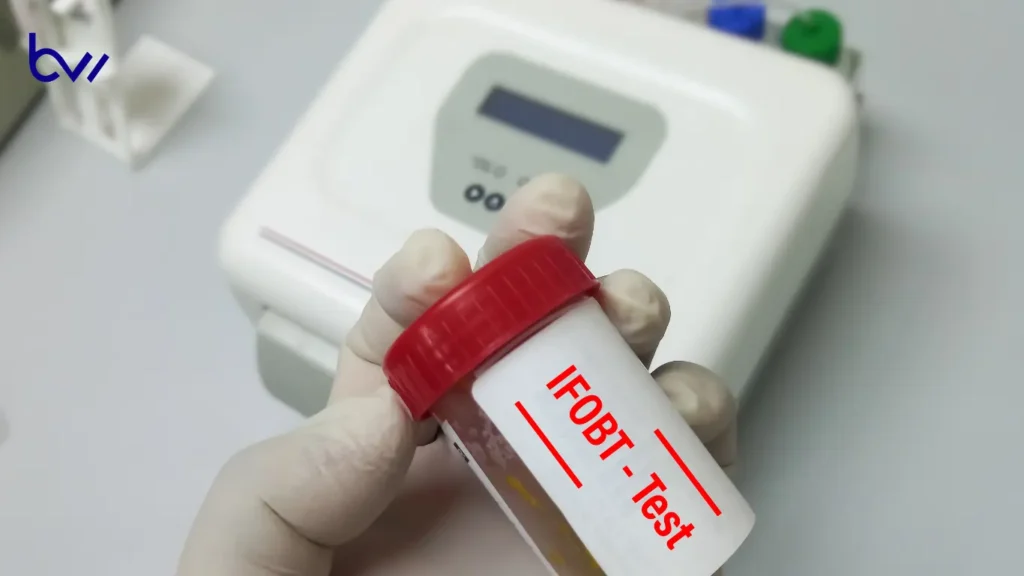
For many people, the topic of getting a stool exam for occult blood feels awkward or even intimidating. Yet, this simple, non-invasive test is one of the most powerful tools we have for safeguarding. But this simple, non-invasive test is one of the best ways to protect your health, especially when it comes to finding cancer early. It’s an important part of regular preventive care because it lets doctors see deep into the digestive tract without using scopes or surgery.
Your doctor might call this test by different names, such as a fecal occult blood test (FOBT), a stool test for hidden blood, or a hidden blood stool test. The goal is still the same, no matter what you call it: to find small, hidden amounts of blood in your poop that could mean you have a health problem.
Let’s go over everything you need to know about this important test, from how to get ready for it to what a positive result really means. By the end, you’ll know what to do and be able to do it for your own health.
What Is a Fecal Occult Blood Test (FOBT)?
So, what is a stool exam for occult blood? Simply put, it’s a laboratory test that checks a small sample of your stool for the presence of blood that you cannot see with the naked eye. The word “occult” literally means “hidden” or “unseen.”
Unlike blood that might be visible as red streaks or dark tarry stool—which usually prompts an immediate medical visit—occult blood in stool is often a subtle sign of internal bleeding from the gastrointestinal (GI) tract. For this reason, the stool occult blood exam is critical; it alerts doctors to potential problems long before symptoms become severe.
The main takeaway here is that you don’t need to see blood to have internal bleeding. This is why the test is a routine part of preventive medicine.
Conditions Linked to Occult Blood in Stool
A positive stool test for occult blood is a signal for further investigation, not an automatic cancer diagnosis. It indicates occult blood in stool (hidden blood) is present, meaning there is gastrointestinal occult bleeding. Many conditions, both common and serious, can lead to this result.
Minor GI Issues
- Hemorrhoid bleeding stool test: Hemorrhoids (swollen veins) are a very frequent cause. Can hemorrhoids cause a positive occult blood test? Yes, their bleeding, especially from straining, is often the reason for a positive result.
- Ulcer bleeding stool test: Bleeding from peptic or gastric ulcers in the stomach or small intestine is another common source of the bleeding found on the GI bleeding stool exam.
- Diverticulosis occult blood: Small pouches called diverticula in the colon can become irritated and cause bleeding.
Serious Concerns
- Colon polyps bleeding test: Non-cancerous growths called colon polyps can bleed. These are significant because some polyps can turn cancerous over time.
- Colorectal cancer occult blood: The primary target of the screening is to detect the slow, gradual bleeding associated with early-stage colorectal cancer.
Purpose of a Fecal Occult Blood Test
The primary purpose of an FOBT is simple: early detection of stool test. The most important use of the FOBT is as a non-invasive colorectal cancer screening stool test.
Colorectal cancer often starts as small, benign polyps that slowly grow and can begin to bleed, yet they cause no pain or noticeable symptoms for a long time. The stool analysis for hidden blood can detect this bleeding long before a person feels sick. When found early, the survival rate for colorectal cancer is dramatically higher.
Beyond cancer screening, the test also checks for GI bleeding to help investigate unexplained anemia or chronic fatigue caused by slow, long-term blood loss.
Who Should Be Screened for Colorectal Cancer?

Everyone in the average-risk category—meaning those without a personal or strong family history of polyps or cancer, and no inflammatory bowel disease—should begin screening at age 45 and continue regularly until age 75.
On the other hand, if you have risk factors—such as a family history of colorectal cancer, a personal history of inflammatory bowel disease (Crohn’s or Ulcerative Colitis), or certain genetic syndromes—your healthcare provider will likely recommend starting screening earlier and using more intensive methods like colonoscopy.
Types of Fecal Occult Blood Tests
Not all FOBTs are created equal. There are two main types used today, and knowing the difference is important because preparation rules vary significantly between them.
1. Guaiac-based Fecal Occult Blood Test (gFOBT)
This is the older, chemical-based method. The guaiac occult blood test relies on a plant-derived compound, guaiac, that changes color when it comes into contact with the heme portion of hemoglobin. It is often called the chemical-based occult blood test.
2. Fecal Immunochemical Test (FIT)
The fecal immunochemical test (FIT), also known as FIT stool test or iFOBT, is the newer, preferred method. FIT is an antibody-based stool exam because it uses specific antibodies to detect human hemoglobin.
Is FIT better than FOBT? Generally, yes. FIT is considered more accurate than gFOBT and has the major advantage of requiring no diet or medication restrictions, which makes patient compliance much easier.
How to Prepare for a Fecal Occult Blood Test
Proper preparation ensures the accuracy of your results, helping to avoid a false positive occult blood test. The rules depend heavily on the type of test you are taking.
Diet & Medication Restrictions Before gFOBT
If you are using the older gFOBT stool test, your preparation for the stool occult blood exam must be strict to prevent false readings.
For two to three days before and during the test, you must:
- Avoid red meat before occult blood test: Red meat contains animal blood and can cause a false positive, so stick to poultry and fish.
- Avoid certain foods: Including turnips, horseradish, broccoli, and cantaloupe.
- Avoid NSAIDs before stool exam: You need to stop taking non-steroidal anti-inflammatory drugs (NSAIDs) like aspirin or ibuprofen for at least seven days, as they can cause mild GI bleeding and lead to a false positive.
- Temporarily stop supplements: Iron supplements and high-dose Vitamin C can interfere with the chemical reaction.
This gFOBT diet restrictions list is why the newer FIT test is often preferred.
FIT Stool Exam Preparation
The good news is that the FIT stool test has minimal to no prep stool occult blood test requirements. Because the FIT uses antibodies that are specific to human blood, you do not need to restrict your diet, including red meat or Vitamin C. Meanwhile, you should still check with your doctor about stopping NSAIDs or other medications, as they can still cause actual bleeding.
How FOBT Testing Works
The gFOBT for occult blood involves multiple samples and the use of chemical cards. Here are the steps:
- Preparation: Follow the strict diet and medication restrictions for two to three days.
- Sample Collection: Using a small applicator stick, you collect a small smear of a stool sample and apply it to a designated area on a paper card.
- Repeat: You typically repeat this collection process for two more bowel movements (a total of three samples over three separate days). This is done to catch intermittent bleeding, as bleeding may not happen every day.
- Development: You return the cards to the lab, where a developer solution is added. If blood is present, the area turns blue within seconds.
How FIT/iFOBT Works
The fecal immunochemical test (FIT) is much simpler and often requires only one sample. Because of this, it’s easier to complete correctly.
- Collection: You collect a single, small stool sample using a specific brush, probe, or scraping device built into the home FIT kit.
- Sealing: The device is sealed in its collection tube, and you send it to the lab.
- Analysis: The lab uses an analyzer that applies anti-human hemoglobin antibodies. If the antibodies bind to human hemoglobin in the sample, the test is positive. This precise antibody-based stool exam makes the FIT highly specific.
When to Avoid an FOBT
There are certain times when an FOBT should be postponed, primarily to prevent a false positive occult blood test.
- If you are experiencing active bleeding from hemorrhoids or have blood in your urine.
- If you are having diarrhea.
- During your menstrual period.
In these situations, it’s best to wait at least three days after the bleeding has stopped before collecting the sample.
Understanding Positive FOBT Results
What does a positive stool occult blood test mean? It simply means that blood was detected in your stool sample. But it does not mean you have cancer.
A positive result signals a gastrointestinal occult bleeding test, but the bleeding source could be anything from a minor, easily treatable issue like hemorrhoids or benign polyps to a more serious concern like colorectal cancer occult blood.
The goal of a positive result is to transition from screening to diagnosis.
Follow-Up After a Positive FOBT
A positive result demands a thorough investigation to determine the exact meaning of occult blood in stool. Your doctor will almost certainly recommend a colonoscopy after an occult blood result.
The colonoscopy is a diagnostic procedure where a doctor uses a flexible tube with a camera to examine the entire colon and rectum. It is the gold standard because it allows the doctor to visualize the lining, identify the source of bleeding (polyps, ulcers, cancer), and often remove polyps on the spot. This follow-up after occult blood stool exam is the crucial step that saves lives.
Conclusion
The decision to get a stool exam for occult blood is a simple choice that offers immense peace of mind. Whether you use the FIT stool test or the gFOBT stool test, you are committing to a proactive approach to your health. Remember, finding hidden blood stool test results early is the key to preventing a serious condition from developing.
Talk to your healthcare provider if you are approaching age 45, have a family history of colon cancer, or are experiencing any unexplained GI symptoms to discuss your personalized screening plan. Taking the time to do this simple test is a powerful investment in your future well-being.
FAQs
What is a stool test for occult blood?
A stool test for occult blood is a laboratory procedure (like the fecal occult blood test (FOBT) or FIT stool test) designed to check a stool sample for trace amounts of hidden or “occult” blood. This test is non-invasive and primarily used as a screening tool to detect potential bleeding in the gastrointestinal tract.
What is a positive stool exam significant for?
A positive result signals gastrointestinal occult bleeding. While often caused by common and treatable issues such as hemorrhoids or ulcers, the test’s most critical function is as an early detection stool test to identify bleeding from colon polyps or occult blood from early-stage colorectal cancer. This finding mandates further investigation.
How do you treat occult blood in stool?
You do not treat the blood itself; you treat the underlying cause of the bleeding. Treatment varies widely: it might involve simple changes like increasing fiber and fluids (for hemorrhoids or diverticula), taking medication (for ulcer bleeding), or, in the case of polyps, their removal during a colonoscopy.
What is the most common cause of occult bleeding?
The most frequent causes of a positive stool exam for occult blood are usually minor issues in the lower GI tract, such as bleeding from hemorrhoids or fissures, or internal bleeding caused by peptic ulcers, often induced by long-term use of NSAIDs.
What is the next step after a positive fecal occult test?
The mandatory next step is a diagnostic procedure, typically a colonoscopy after an occult blood result. This procedure lets the doctor examine the entire colon, identify the bleeding source, and remove any polyps on the spot. This follow-up after occult blood stool exam is vital to determine the exact meaning of occult blood in stool.
Is occult blood in stool always serious?
No, it is not always serious. The bleeding is often caused by common, non-cancerous conditions like hemorrhoids, anal fissures, or ulcers from taking NSAIDs. However, because it can signal serious conditions like cancer, any positive result requires mandatory follow-up investigation.