Laser to Remove Ingrown Hair: A Permanent Solution for Smooth, Healthy Skin
Dealing with ingrown hairs is more than just a cosmetic nuisance; for many, it is a source of chronic discomfort, skin irritation, and self-consciousness. Whether it is the “strawberry legs” appearance or painful, cyst-like bumps on the bikini line, traditional hair removal methods often seem to make the problem worse. If you have tried every scrub, lotion, and specialized tweezer on the market without success, you are likely looking for a more definitive answer. Utilizing a laser to remove ingrown hair has transitioned from a luxury beauty treatment to a clinically recommended solution for those suffering from recurrent folliculitis and skin damage caused by shaving.
What Is Ingrown Hair?
An ingrown hair occurs when a hair strand that has been cut or removed starts to grow back but fails to exit the surface of the skin. Instead of growing straight up through the pore, the hair curls around and grows sideways or backward into the skin.
The body views this trapped hair as a foreign object, much like a splinter. This triggers an inflammatory response from your immune system. The result is a bump that looks like a pimple and is often painful. You might even be able to see the dark shadow of the hair that is stuck under the skin in some cases. They can happen to anyone, but people with thick, curly, or coarse hair are more likely to get them.
What Causes Ingrown Hairs?
Understanding what causes ingrown hairs is the first step toward finding a solution. At its simplest, the condition is caused by a combination of hair texture and hair removal habits.
When you shave, you create a sharp, angled edge on the hair shaft. As that hair starts to grow back, that sharp point can easily pierce the wall of the hair follicle or the surrounding skin. Waxing and plucking can also be culprits. Because these methods pull the hair out by the root, the new hair has to find its way back up through the follicle. If the follicle is clogged with dead skin cells or the hair is naturally curly, it is much more likely to get trapped.
Tight clothing is another factor. Friction from jeans, leggings, or undergarments can press hairs back into the skin before they have a chance to grow out. Additionally, some people naturally have higher levels of certain sex hormones, which can lead to excessive hair growth and a higher frequency of blockages.
Common Areas at High Risk for Ingrown Hairs
While ingrown hairs can appear anywhere hair grows, they are most prevalent in areas where the hair is thick, coarse, or curly. These regions are also frequently subject to friction from clothing or repetitive shaving.
- The Bikini Line and Groin: This is perhaps the most common area due to the naturally coarse texture of the hair and the sensitive nature of the skin.
- The Neck and Beard Area: Men often get painful bumps here from shaving every day. This is also known as pseudofolliculitis barbae.
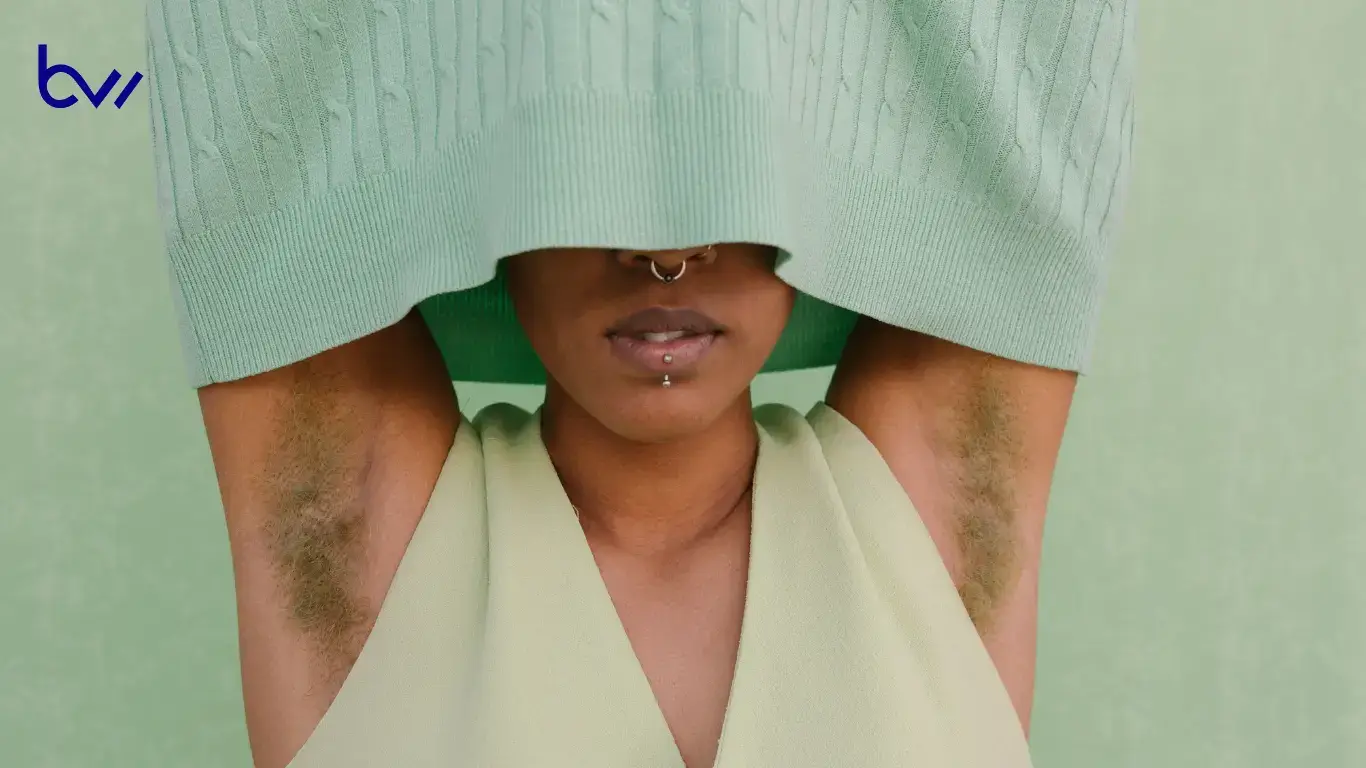
- The armpits: Using deodorants and rubbing against things all the time can irritate hair follicles and cause hairs to get stuck.
- The Legs (Especially the Thighs): In this area, thicker skin can make it difficult for new hair to break through the surface, leading to inward hair growth.
Symptoms and Complications of Ingrown Hairs
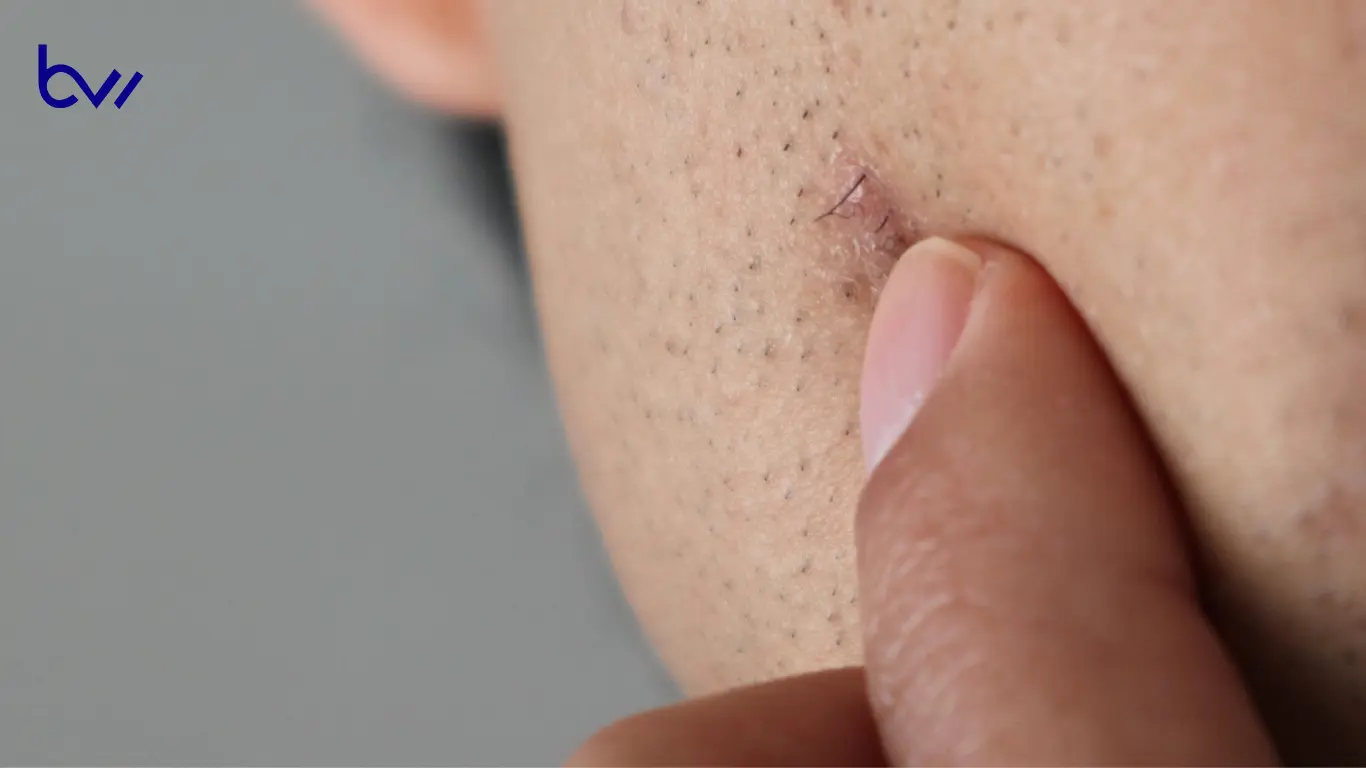
If you have an ingrown hair, it’s usually easy to tell. But the symptoms can change depending on how swollen it is. You will usually see either a small, hard, round bump (called a papule) or a small blister filled with pus (called a pustule). These bumps often hurt, itch, and turn red.
But the problem can get worse than just being annoying. You could get a bacterial infection if you don’t treat it or if you try to “pop” the bump with dirty tools. In rare cases, this can cause more pain, swelling, and even a fever.
People who have chronic ingrown hairs may also get dark spots on their skin from post-inflammatory hyperpigmentation. In more serious cases, scars or keloids from ingrown hairs can form, leaving the skin’s texture uneven long after the hair is gone.
Why Traditional Hair Removal Makes Ingrown Hairs Worse
It feels like a “Catch-22.” You want to remove hair to have smooth skin, but the act of removing it is what causes the bumps. Traditional methods like shaving, waxing, and epilating are often the primary drivers of this cycle.
Shaving cuts the hair at the surface, leaving a sharp tip. Waxing pulls the hair out entirely, but it can damage the follicle over time, causing the hair to grow back at an odd angle. Furthermore, many people forget to exfoliate between sessions. Without removing dead skin cells, the “exit path” for the hair becomes blocked, forcing it to grow inward.
Meanwhile, chemical depilatories (hair removal creams) can be extremely harsh. While they don’t leave a sharp edge like a razor, the chemical irritation can cause the skin to swell, which again leads to trapped hairs. This constant cycle of irritation is why many people eventually look for a more permanent ingrown hair treatment.
How Laser Hair Removal Eliminates Ingrown Hairs
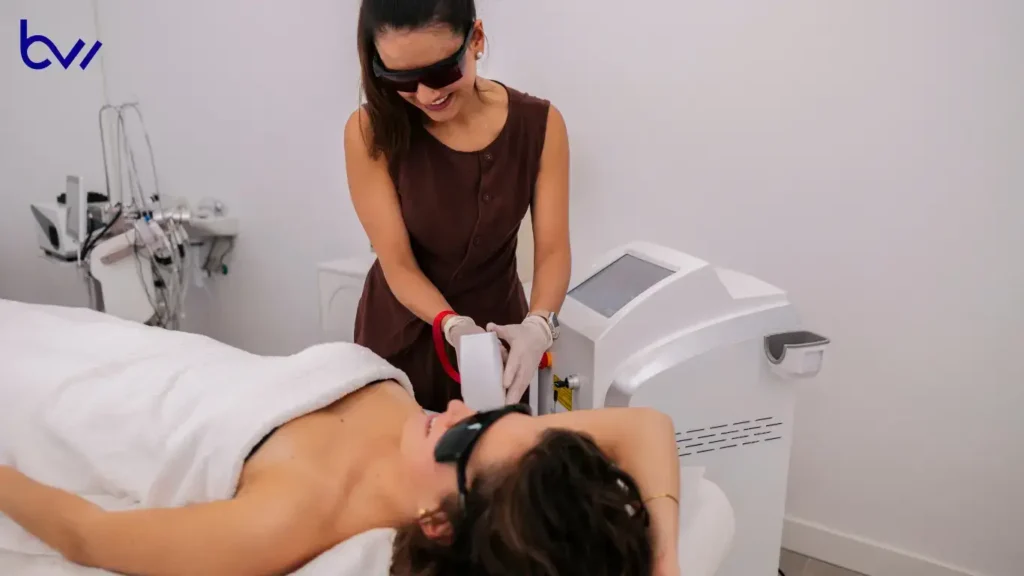
If you’re wondering, “Does laser hair removal stop hair from growing back?” Yes, the answer is a big yes. In fact, a lot of dermatologists recommend laser treatment just for people who have chronic razor bumps.
The process of selective photothermolysis is what makes laser technology work. The laser sends out a strong beam of light that the pigment (melanin) in the hair follicle absorbs. This light energy turns into heat, which hurts the follicle and stops it from making new hair.
When the follicle is disabled, the hair becomes thinner and lighter. Eventually, the hair stops growing altogether. Because there is no hair growing back, there is nothing to get trapped under the skin. This effectively breaks the cycle of inflammation. Unlike shaving, which you have to do daily or weekly, the laser provides a long-term change to the biology of your skin.
Can Laser Hair Removal Treat Ingrown Hair Scars?
One of the worst things about having chronic skin irritation is the scars left behind by ingrown hairs. These can show up as red marks, dark brown spots, or raised textures. While the primary goal of the laser is to stop hair growth, it can also have a positive effect on the appearance of your skin.
By eliminating the source of the irritation (the hair), you give your skin a chance to heal. When the constant inflammation stops, the body can begin to fade hyperpigmentation naturally. Some types of lasers used for hair removal also stimulate collagen production, which can subtly improve the skin’s overall texture.
However, for deep scarring, your specialist might recommend combining hair removal with other treatments like chemical peels or microneedling. The first step, however, must be stopping the new ingrowns from forming, which is exactly what the laser does.
Best Laser Technologies for Ingrown Hair Treatment
There are different types of lasers. The best laser for ingrown hairs will depend on the colour of your hair and the type of skin you have. Here is a simple list of the most common technologies used today:
- Alexandrite Laser: This is one of the fastest lasers and works well on big areas. Most of the time, it’s best for people with light to olive skin and dark hair.
- Nd: YAG Laser: This is the best and safest choice for people with darker skin tones. It has a longer wavelength that goes through the skin’s melanin and goes straight to the hair follicle, which lowers the risk of burns.
- Diode Laser: This laser can be used on many different types of skin and hair. It goes deep into the follicle and is known to be very comfortable for the patient.
Laser Hair Removal Before and After: What to Expect
When looking at laser hair removal, ingrown hair before and after transitions, the most immediate change is the reduction in inflammation. Within just two or three sessions, most patients notice that the red, painful bumps begin to flatten and fade.
As the treatments progress, the skin texture becomes significantly smoother. The “shadow” of hair beneath the skin disappears, and the constant irritation caused by shaving is eliminated. By the end of a full course, the skin typically looks clear, healthy, and entirely free of the dark spots associated with trapped hairs.
Aftercare Tips to Prevent Ingrown Hairs
Your at-home routine is still important, especially in the first few weeks of treatment, even though the laser is doing most of the work. Follow these tips to get the best results and avoid getting ingrown hairs during the shedding phase:
- Gently scrub: A few days after your session, use a mild chemical exfoliant like salicylic acid or a soft washcloth to help the dead hairs leave the follicles.
- Moisturize: Keep your skin from getting dry. When skin gets dry, it can become brittle, which makes it harder for hair to fall out.
- Don’t get too hot: For 24 to 48 hours after your laser session, stay away from hot tubs, saunas, and hard workouts to avoid making things worse.
- Sun Protection: Always put sunscreen on the areas that have been treated. Skin that has been treated with lasers is more likely to get dark spots from UV damage.
When to See a Dermatologist
While most ingrown hairs resolve on their own or with laser treatment, there are times when professional medical intervention is necessary. You should see a dermatologist if:
- If the bump hurts a lot, is hot to the touch, or is getting redder, you should see a dermatologist.
- You see signs of a serious infection, like pus that is yellow or green.
- The ingrown hair has turned into a deep cyst that won’t go away.
- You have dark spots or scarring that are affecting your self-confidence.
A medical professional can safely drain an infected area or provide prescription-strength creams to calm the inflammation before you begin your laser journey.
FAQs
Will laser hair removal get rid of ingrown hairs?
Yes. It is the most effective solution available. By using a laser to remove ingrown hair, you destroy the follicle’s ability to produce hair. Without a hair shaft present, it is impossible for a new ingrown to form, clearing up existing bumps and preventing future ones.
How to permanently get rid of ingrown hairs?
The only way to stop them for good is to stop the hair growth at the root.Permanent laser hair removal is the gold standard because it alters the biology of the follicle. Unlike shaving or waxing, which are temporary, laser treatments provide a long-term reduction that keeps the skin smooth and bump-free.
Will insurance cover laser hair removal for ingrown hairs?
No, usually not. Most insurance companies see this as a cosmetic procedure. But if you have a diagnosed medical condition like Hidradenitis Suppurativa or severe, chronic folliculitis that causes painful cysts, some plans may cover it. You should ask your provider about “medical necessity.”
Is waxing or laser better for ingrown hairs?
back at an odd angle. Laser treats the root cause by thinning and eventually stopping growth, whereas waxing just continues the cycle of regrowth and irritation.
Why am I getting more ingrown hairs after laser?
This is usually a temporary part of the “shedding” phase. After a session, the destroyed hairs must rise to the surface to fall out. Sometimes these dead hairs get caught under the skin, appearing like new ingrowns. Gentle exfoliation after your session usually clears this up quickly.
How many sessions do I need to see results for ingrown hairs?
After just one or two sessions, most patients notice a big difference in the number of ingrown hairs they have. But to get results that last and stop new ones from forming, a full course of 6 to 8 sessions is usually best.
Can I get laser hair removal if I currently have active ingrown hair bumps?
Yes, you can. The laser can actually help clear up the current bumps by destroying the hair causing the trouble. However, if the area is severely infected or open, your technician may wait for it to heal slightly before treating that specific spot.