
For many people, the first thing they do every morning isn’t check their phone; it’s grab a pair of glasses from the nightstand. Choosing to have laser operation for eyesight is a big step that will free you from the physical and financial burden of wearing glasses. It may sound scary to think about a laser touching your eye, but modern ophthalmology has made this procedure one of the most common and well-studied elective surgeries in the United States.
Introduction: A Personal Perspective on Laser Eye Surgery
The journey toward clear vision is often deeply personal. Most patients aren’t just looking for better numbers on an eye chart; they are looking for the freedom to swim, wake up and see the alarm clock, or drive at night without the glare of glasses. When you sit down with a refractive surgeon, the conversation usually shifts from clinical data to lifestyle goals. This human element is what makes a laser eye operation for eyesight so transformative. It isn’t just a medical fix; it’s an investment in how you interact with the world every single day.
What Is Laser Operation for Eyesight?
A laser operation for eyesight is basically a procedure that changes the shape of the cornea, which is the clear front part of the eye. When the cornea isn’t shaped just right, light doesn’t focus on the retina the right way, which makes vision blurry. A surgeon can change the shape of the cornea by removing tiny bits of tissue with a very focused ultraviolet light beam. This is like “drawing” your prescription directly onto the eye.
What Happens During Laser Eye Surgery?
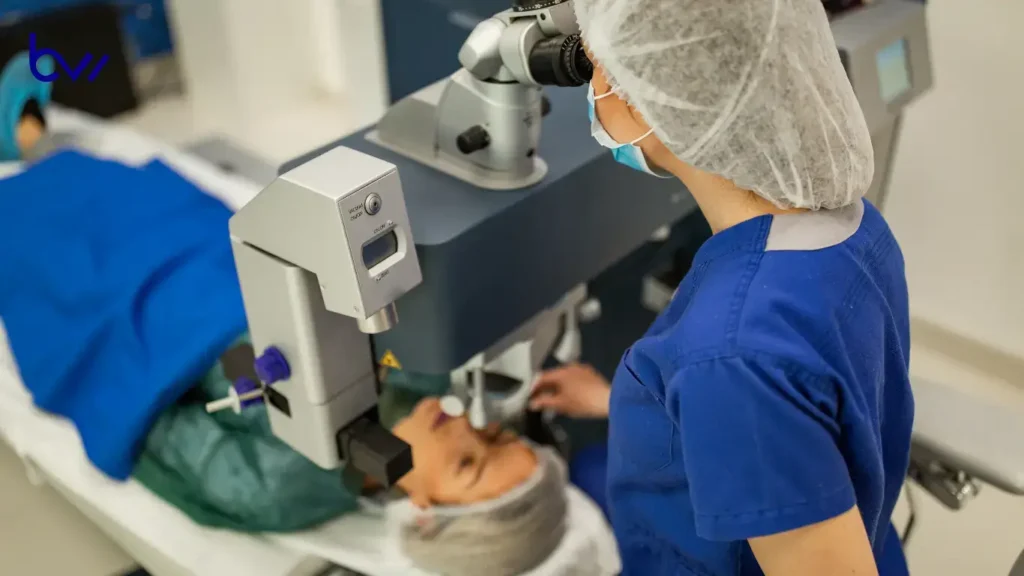
The procedure is remarkably quick, often taking less than ten minutes per eye. First, your eye is numbed with anesthetic drops. You may feel a slight pressure, but the process is generally painless. A computer-controlled laser then follows a pre-programmed map of your eye to reshape the tissue. Many patients find it surprising that the actual “laser time” often lasts less than 60 seconds.
Types of Laser Operation for Eyesight
There isn’t just one way to achieve a clear vision. Depending on your corneal thickness and lifestyle, different methods might be recommended.
What Is LASIK?
The most popular option is still LASIK (Laser-Assisted In Situ Keratomileusis). It involves making a thin flap on the cornea’s surface, pulling it back, changing the shape of the tissue underneath, and then putting the flap back. People like it because it heals so quickly.
Difference Between LASIK, SMILE, and PRK/ASLA
LASIK uses a flap, but PRK (Photorefractive Keratectomy), also known as ASLA, takes off the thin outer layer of the cornea and lets it grow back. This is usually better for people whose corneas are thin. SMILE, or Small Incision Lenticule Extraction, is a newer, “flapless” procedure that removes a small piece of tissue through a tiny cut. It is less invasive than other methods.
Clinical Evidence on Laser Eye Surgery Safety
Laser eye surgery is safe, according to years of clinical trials and studies that have been reviewed by other experts. Studies show that the chance of a complication that could threaten your vision is very low—less than 1%. Some studies even suggest that wearing contact lenses every day can put you at a greater risk of getting infections that could threaten your eyesight in the long run than having laser surgery once.
Millions of People Have Had LASIK
Since its inception, over 40 million LASIK procedures have been performed worldwide. This massive sample size provides doctors with a wealth of data to refine techniques. The sheer volume of successful outcomes is a testament to the procedure’s reliability and the maturity of the technology.
Success Rates and Patient Satisfaction
When asking if laser operation is good for the eyes, one should look at satisfaction rates. LASIK boasts a patient satisfaction rate of over 96%, the highest of any elective procedure. Most patients achieve 20/20 vision or better, and even those who don’t usually reach 20/40, which is the legal requirement for driving without glasses in most states.
SMILE, ASLA, and LASIK: Which Procedure Is Right for You?
Choosing between these methods depends on your specific anatomy. If you play contact sports like boxing or martial arts, ASLA or SMILE might be safer because there is no flap to worry about. If you want the fastest possible visual recovery to return to work the next day, LASIK is typically the gold standard. Your surgeon will use diagnostic imaging to determine which path offers the best safety profile for your eyes.
How Myopia Is Corrected
Nearsightedness (myopia) occurs when the cornea is too curved or the eye is too long. To fix this, the laser flattens the central cornea, allowing light to focus further back, directly on the retina.
How Long-Sightedness Is Corrected
For farsightedness (hyperopia), the laser removes tissue from the perimeter of the cornea. This steepens the center, which helps the eye focus on objects that are close up.
Understanding Astigmatism
Many people believe they can’t have surgery because of astigmatism. However, modern lasers are excellent at smoothing out an irregularly shaped cornea (which is shaped like a football rather than a basketball) to provide crisp, clear vision.
Risks and Side Effects of Laser Eye Surgery
While the success rates are high, it is vital to be aware of the potential side effects of laser eye surgery. Most of these are temporary and part of the natural healing process, but they should be discussed thoroughly with your provider.
Common Short-Term Side Effects
Immediately following the procedure, it is common to experience:
- A “gritty” or sandy sensation in the eyes.
- Temporary light sensitivity.
- Halos or glare around lights at night.
- Fluctuating vision during the first few weeks.
These symptoms usually resolve as the eye heals and the brain adjusts to the new optical input.
Long-Term Risks and Complications
Though rare, long-term laser treatment for the eyes’ side effects can include chronic dry eye or a regression in vision over time. In very rare cases, an infection or a flap complication may occur. It is important to remember that most “failed” surgeries are actually just cases where the patient needs a minor “touch-up” rather than a loss of vision.
Dry Eye After Laser Eye Surgery
Dryness is perhaps the most frequent complaint. The surgery temporarily disrupts the nerves responsible for tear production. For most, this resolves within three to six months with the use of lubricating drops. However, if you already suffer from severe dry eye, your surgeon might recommend treating that condition before proceeding with laser surgery.
Enhancement Procedures Explained
Sometimes, the eye over-heals or under-heals, leaving a small amount of residual prescription. This is where an “enhancement” or “touch-up” comes in. Most clinics include this in the initial laser eye surgery price, and it involves a quick laser adjustment to fine-tune the results once the eye has stabilized.
How Rare Are Serious Complications?
Serious complications that result in a permanent loss of vision are exceedingly rare, estimated at less than 1 in 10,000 cases. Advances in screening technology have made it much easier for surgeons to identify “at-risk” corneas and turn away patients who might have a poor outcome.
Who Should Not Have Laser Eye Surgery?
You may be advised against surgery if:
- You have an unstable prescription that is still changing.
- You have an autoimmune disease like lupus or rheumatoid arthritis that affects healing.
- You have keratoconus (a thinning and bulging of the cornea).
- You are currently pregnant or nursing, as hormones can change your eye shape.
Importance of Proper Eye Assessment
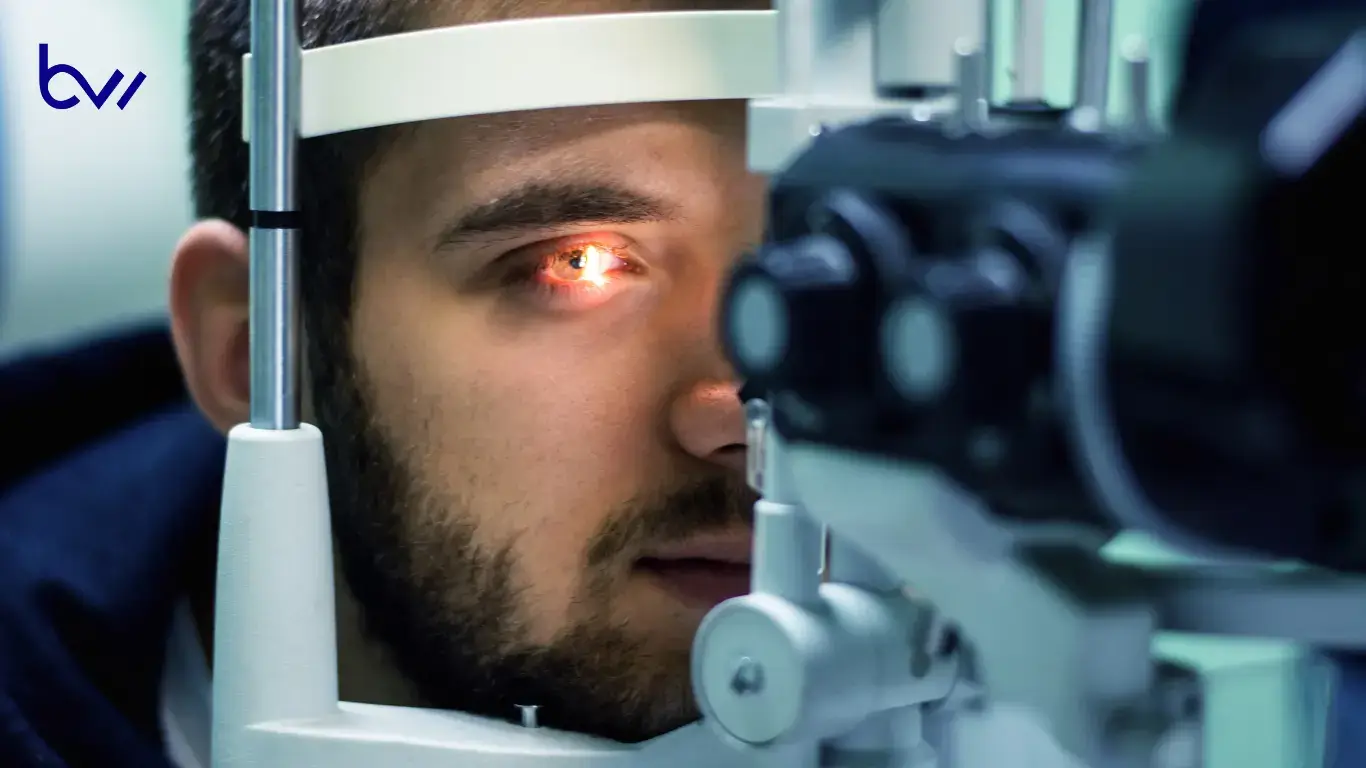
The most critical part of the process isn’t the surgery itself, but the pre-operative screening. A reputable surgeon will perform a dilated exam and corneal mapping. If a clinic seems to be rushing you toward surgery without a deep dive into your medical history, that is a significant red flag.
Laser Treatment for Eyes: Age Limit
While there is no strict upper “age limit,” there is a lower one. Most surgeons require patients to be at least 18, and preferably 21, to ensure the eye has stopped growing. For older patients, the conversation shifts because laser surgery cannot prevent presbyopia—the age-related need for reading glasses—though “monovision” techniques can help.
Laser Eye Surgery Recovery Time
The speed of recovery is one of the major laser eye surgery advantages. Most LASIK patients can drive themselves to their follow-up appointment the next day. While you should avoid swimming and heavy exercise for about a week to prevent infection or trauma to the eye, you can typically return to screen work within 24 to 48 hours.
Cost of Laser Operation for Eyesight in the US
The cost of laser operation for eyesight varies significantly based on your location and the technology used. On average, the laser eye surgery price in the US ranges from $2,000 to $3,500 per eye. When you see advertisements for “discount” LASIK at $500 per eye, proceed with caution. Often, these prices only apply to very minor prescriptions or use outdated technology.
When calculating how much eye laser surgery costs, it is helpful to view it as a long-term savings plan. If you spend $500 a year on contacts, solutions, and glasses, the surgery pays for itself in less than a decade.
Is Laser Operation for Eyesight Worth It?
When weighing laser eye surgery advantages and disadvantages, the “worth” is often measured in quality of life. The ability to engage in spontaneous activity without worrying about your lenses is a freedom that most patients find priceless. While the upfront cost is high and the idea of surgery can be intimidating, the clinical consensus is clear: for the vast majority of people, can laser eye surgery fix eyesight? The answer is a resounding yes.
Final Thoughts on Laser Eye Surgery Safety
In the end, you have to trust the technology and your surgeon in order to go through with a laser eye surgery. No procedure is completely safe, but the high success rates and modern safety measures make it a good option for people who are tired of wearing glasses. You are making a smart choice for a clearer future by doing your research and picking an experienced specialist.
FAQs
-
Is laser operation good for the eyes?
Yes. For qualified candidates, it is an excellent and life-changing procedure. With a 96% satisfaction rate, it effectively eliminates the daily struggle with glasses and contacts. However, its “goodness” is subject to your eye health—it is best for those with stable prescriptions and healthy corneal thickness.
-
How much does eye laser surgery cost?
The average cost in the US is between $2,200 and $3,500 per eye. While you may see ads for $500, these are often “bait-and-switch” prices for very minor prescriptions. A realistic total for both eyes using modern, bladeless technology typically ranges from $4,500 to $7,000.
-
Is LASIK eye surgery 100% safe?
No surgery is 100% safe, but LASIK is one of the most studied elective procedures in the world. Serious, vision-threatening complications occur in less than 1% of cases. Most risks involve temporary side effects like dry eyes or night glare, which usually resolve within three to six months.
-
Is Laser Eye Surgery Safe for Everyone?
Unfortunately, not everyone is a candidate for a laser operation for eyesight. Safety depends heavily on individual health factors.
-
Can laser eye surgery fix eyesight?
Yes. It permanently reshapes the cornea to correct nearsightedness, farsightedness, and astigmatism. While it fixes your current prescription, it cannot stop the natural aging process of the eye, meaning you may still need reading glasses for “presbyopia” once you reach your mid-40s.
-
How much is laser surgery to correct vision?
Most patients invest roughly $5,000 for a full-package procedure (both eyes). This usually covers the surgery, all localized numbing/medicated drops, and a full year of follow-up appointments. Many clinics offer financing plans to make this upfront cost more manageable.