


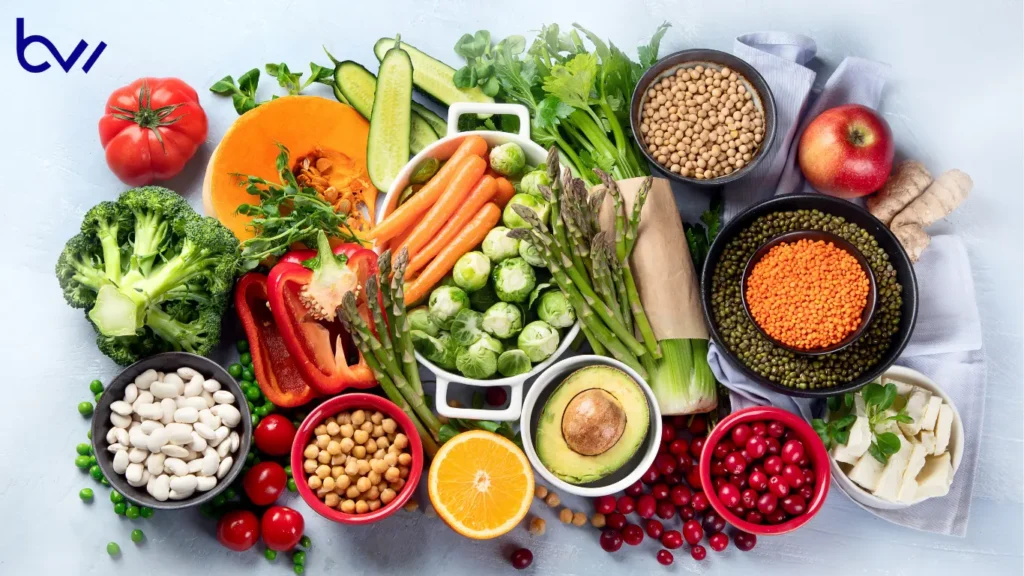
If you’ve ever had haemorrhoids, you know how annoying they can be because of the pain, itching, and discomfort. They really hurt you-know-what. A lot of people have these swollen veins in their rectum and anus, but not many people talk about them. A high fibre diet for haemorrhoids is a simple, effective, and natural way to manage and avoid them.
This isn’t just about quick fixes. It’s about making smart, long-term food choices that help your digestive system heal from the inside out and make your bowel movements smooth and comfortable. Let’s talk about how you can use foods high in fibre to get real, long-lasting relief from haemorrhoids.
Is a High Fiber Diet Good for Hemorrhoids?
The short answer to the question is a resounding yes. It is, in fact, one of the most effective, non-invasive ways to manage this condition.
Biggest Cause of Hemorrhoids
To understand why fiber is so crucial, you must first know the root cause. The biggest cause of hemorrhoids is often chronic straining during bowel movements. This straining increases pressure in the lower rectal veins, leading to swelling and inflammation.
What causes straining? Constipation. Hard, difficult-to-pass stools force you to push, which stresses the delicate veins. By making your stool soft, bulky, and easy to pass, a high fiber diet directly tackles this primary trigger. It’s the cornerstone of any effective natural hemorrhoid treatment.
Why You Need a High Fiber Diet
A proper hemorrhoid diet focuses on achieving soft, consistent stools. This is where fiber shines. Fiber is the part of plant foods that your body cannot digest. Instead, it moves through your system, performing essential functions.
- Softening Stool: Fiber adds bulk and holds water, creating a softer, larger stool. This requires less effort (less straining) and helps prevent the development of new hemorrhoids.
- Regularity: Fiber speeds up the transit time of waste, promoting regular bowel movements. This reduces the time your veins are under pressure.
- Prevention: By resolving constipation and eliminating straining, a high fiber diet is the best proactive way to achieve hemorrhoid prevention diet goals. It’s also a key component of a high fiber diet to prevent hemorrhoids.
The Two Types of Fiber: Soluble vs. Insoluble
Not all fiber is created equal, but both types play a vital role in managing hemorrhoids with diet.
Soluble Fiber
This type of fiber dissolves in water to form a gel-like substance.
- Function: It helps soften the stool and can be very soothing for the digestive tract. It’s often referred to as the “stool softener” fiber.
- Sources: Oats, barley, nuts, seeds, apples, citrus fruits, and carrots.
Insoluble Fiber
This fiber does not dissolve. It remains intact and adds bulk to the stool.
- Function: It acts like a scrub brush, promoting the quick and easy movement of waste through the colon. This is the “bulking” fiber.
- Sources: Whole wheat flour, wheat bran, whole grains, and the skin of many fruits and vegetables.
What Fiber is Best for Hemorrhoids?
The truth is, you need both! The best mix is a balance of soluble and insoluble fibre. Soluble fibre makes things softer, while insoluble fibre gives things bulk and movement. This combination makes sure that a haemorrhoid soft stool diet makes it easy to go to the toilet again.
Foods to Eat with Hemorrhoids: Your Relief Arsenal
Your diet should be rich in natural, unprocessed foods. Prioritizing hemorrhoid relief foods means focusing on plants. These are the best foods for hemorrhoids. Follow on us Instagram
Whole Grains for Hemorrhoid Relief
Skip the white bread and processed cereals. Whole grains for hemorrhoid relief are powerhouses of insoluble fiber.
- Oatmeal (excellent source of soluble fiber)
- Brown rice
- Whole-wheat pasta and bread
- Barley
- Quinoa
Legumes, Beans, and Nuts: Fiber Superstars
Beans and legumes are perhaps the most underrated source of fiber. A single cup can provide nearly half of your daily goal. Legumes for hemorrhoid management should be a frequent item on your menu.
- Lentils
- Black beans, kidney beans, chickpeas (garbanzo beans)
- Split peas
- Almonds, pistachios, and sunflower seeds (in moderation due to high fat content)
Top 10 Fiber-Rich Fruits
High fiber fruits for hemorrhoids are delicious and effective, often providing both soluble and insoluble fiber. Remember to eat the skin where possible (like on apples) for maximum benefit.
- Raspberries
- Blackberries
- Pears (with the skin)
- Apples (with the skin)
- Bananas
- Oranges
- Strawberries
- Prunes (known for their natural laxative effect)
- Figs
- Dates
Top 10 Fiber-Rich Vegetables
Vegetables add essential nutrients and bulk. Focus on both raw and lightly cooked varieties.
- Artichokes
- Peas
- Broccoli
- Brussels sprouts
- Carrots
- Spinach and other dark leafy greens
- Potatoes (with the skin)
- Sweet potatoes
- Squash
- Cauliflower
Hydration: The Fiber Companion
Crucially, fiber needs water to work. If you drastically increase your fiber intake without increasing your water intake, you can actually worsen constipation. This is the importance of fiber and water intake.
- Juices: People like prune juice because it has a mild laxative effect. Apple juice and pear juice are other options that can help make stool softer. But keep in mind that a whole fruit is always better than juice because it has important fibre.
- Yoghurt: yoghurt with live and active cultures (probiotics) can be good for you. It helps keep the gut flora healthy, which improves digestion as a whole and can help with the goal of a high-fiber diet to treat haemorrhoids.
What Foods Should You Avoid with Hemorrhoids?
While fiber is the solution, certain foods can exacerbate the problem. You need to know what to eliminate from your hemorrhoid diet to truly find relief.
Foods to Avoid with Hemorrhoids
These foods slow down digestion, contribute to hard stools, and irritate the digestive lining:
- Low-Fiber Foods: White bread, white pasta, white rice, and heavily processed, packaged foods. These offer no bulk and can lead to sluggish digestion.
- Dairy Products: While not a trigger for everyone, dairy can cause constipation in some people, so monitor your tolerance.
- Red Meat: It takes time to digest and can worsen constipation.
- High-Fat Foods: Fried foods and fast food can slow down the digestive process.
Bleeding Hemorrhoids: Foods to Avoid
If you are experiencing bleeding, be especially cautious with irritants:
- Spicy Foods: They can irritate the sensitive anal lining and make symptoms, including bleeding, worse.
- Alcohol and Caffeine: These beverages are diuretics, meaning they can lead to dehydration, which in turn hardens the stool. Limit or avoid them.
A Simple High Fiber Diet Plan for Hemorrhoids
The key to a successful high fiber diet plan for hemorrhoids is consistency and gradual change. A sudden, massive increase in fiber can cause bloating and gas.
Daily Fiber Targets
- Adult Men (under 50): Aim for $30 – 38$ grams per day.
- Adult Women (under 50): Aim for $21 – 25$ grams per day.
Start slow. Add just a few grams each week until you hit your target.
| Meal | High-Fiber Focus Example | Estimated Fiber (g) |
| Breakfast | 1 cup oatmeal + 1/2 cup berries | 8-10 |
| Snack | Pear with skin + handful of almonds | 6-8 |
| Lunch | Large salad with chickpeas (1/2 cup) + whole-wheat wrap | 10-14 |
| Snack | Baby carrots and hummus | 4-6 |
| Dinner | Salmon with 1 cup steamed broccoli + 1/2 cup brown rice | 8-10 |
| Total | 36 – 48 g |
Lifestyle Modifications for Hemorrhoid Relief
When you eat well and do other healthy things, your diet works best. These tips for dealing with haemorrhoids go well with your higher fibre intake.
- Don’t hurry: Don’t rush when you go to the toilet. Don’t sit on the toilet for a long time (no reading or scrolling!).
- Pay Attention to Your Body: If you feel that it’s bathroom time, then it’s bathroom time. If you hesitate for too long to use the bathroom, your stool can harden.
- Stay Active: You can help your bowels function better by exercising, even a brisk walk, which will help you avoid being constipated.
Think about taking supplements: If you find it difficult to consume a sufficient amount of fiber from natural sources, you can use fiber supplements for hemorrhoids, such as Psyllium Husk.
Sum Up
Dealing with hemorrhoid pain, but the solution is quite easy. Having many fibrous foods in your diet, which can help with constipation and hemorrhoids, is not only a temporary solution; it can also provide long-term benefits for your digestive system. With proper foods like whole grains, beans, and a lot of vegetables and fruits, you can soften your feces in order to facilitate their passage.
To avoid developing haemorrhoids, you should always make it a point to eat a lot of whole foods and fiber every day. This prevents you from straining, promotes healing, and lets you forget all about the ache and discomfort of having haemorrhoids.
FAQs
Is a high fiber diet good for hemorrhoids?
Absolutely. A high fiber diet is considered the foundation of managing and preventing hemorrhoids. Fiber works by softening your stool, adding necessary bulk, and promoting regular bowel movements. This significantly reduces the need to strain, which is the main cause of hemorrhoidal swelling and pain.
What is the biggest cause of hemorrhoids?
The biggest cause of hemorrhoids is chronic straining during bowel movements, which is usually brought on by long-term constipation. When you strain, you increase pressure in the veins of the rectum and anus, causing them to swell and bulge into hemorrhoids.
What shrinks a hemorrhoid the fastest?
No one food or diet change can make a haemorrhoid smaller right away. You should use outside methods to get the swelling and pain to go down the fastest:
- Sitz Baths: Soaking the area in warm water a few times a day.
- Cold compresses: putting an ice pack on the hurt area and wrapping it in a cloth.
Over-the-counter treatments include using creams or suppositories that have hydrocortisone or witch hazel in them, as directed.
How to treat hemorrhoids when pregnant?
Hemorrhoids are very common during pregnancy. The safest first line of treatment is strictly following a high fiber diet and significantly increasing your water intake to ensure soft stools. Avoid sitting or standing for long periods. Always consult your obstetrician or midwife before taking any fiber supplements or using any hemorrhoid medications while pregnant.
What not to eat if you have hemorrhoids?
If you are dealing with hemorrhoids, focus on limiting or avoiding foods that can cause constipation or irritate the digestive tract:
- Low-Fiber Foods: White bread, white pasta, white rice, and processed baked goods that lack bulk.
- Spicy Foods: These can irritate the already sensitive rectal lining.
- Caffeine and Alcohol: Both are diuretics that can lead to dehydration, making your stool harder and drier.
- High-Fat Foods: Fried and processed fast foods can slow down digestion.