

Do women have colonoscopies? For a long time, most talks about screening for colorectal cancer have been about men, which has led people to believe that women don’t need to worry as much. Not only is this misunderstanding wrong, it can also be dangerous. Women are also at a high risk, and colonoscopies are a big part of finding problems early.
The truth is simple: women do get colonoscopies, and they should. Colorectal cancer is the third most common cancer in men and women. Getting screened on time can save lives.
This guide has everything you need to know, from how to prepare for your first colonoscopy to what to expect during the procedure. This way, you can go into the process with confidence and clarity.
What is a colonoscopy, and why do women need one?
The best way to check for colorectal cancer is with a colonoscopy. It is an important step in finding and stopping problems early on, which is necessary for successful treatment. The goal is simple: to look inside the whole large intestine (colon and rectum) and find and remove growths before they can turn into cancer.
Why Colon Health Matters Specifically for Women
The colon is the same organ in both men and women, but the uterus and ovaries in women can change the colon’s position. This difference can sometimes make the colon a little longer and more looped, especially after a pregnancy or some surgeries, like a hysterectomy.
Furthermore, some symptoms of early-stage colon cancer (like fatigue or changes in bowel habits) can be easily mistaken for other common female issues, such as stress, menstrual changes, or menopause. This potential for misdiagnosis makes proactive colorectal screening for women even more crucial.
Women and Colon Cancer Statistics

The lifetime risk of developing colorectal cancer is slightly higher for men (about 1 in 24) than for women (about 1 in 26). However, the risk is still high for everyone.
- Equal Mortality Rate: Colorectal cancer is the third most common cancer in both men and women, after skin cancers. When the numbers for both men and women are added up, it is also the second most common cause of death from cancer.
- Increasing Rates Among Younger Women: The incidence rate of colorectal cancer in individuals under 50 is increasing, which is a significant reason for the change in the suggested screening age to 45.
Biggest Myths About Colonoscopies in Women
Many women hesitate to schedule their first colonoscopy due to common myths:
| Myth | Reality |
| “It’s a man’s disease, I don’t need it.” | Colorectal cancer is a major health threat for both genders. |
| “I’m too young to worry about it.” | Guidelines have changed. The recommended starting age is now 45 for average-risk individuals. |
| “The prep is worse than the procedure.” | The prep is challenging, but manageable. The procedure itself is done under sedation and is painless. |
| “If I don’t have symptoms, I’m fine.” | Polyps and early-stage cancer often produce no symptoms at all. |
At what Age Should a Woman Get a Colonoscopy?
Knowing at what age women get colonoscopies is the first step toward proactive health. The screening recommendations have become more aggressive in recent years due to the rise in young-onset colorectal cancer.
General Screening Guidelines (Age 45–75)
For a woman with an average risk of colorectal cancer—meaning no personal or immediate family history of polyps or cancer, and no underlying conditions—the general consensus from major medical organizations like the American Cancer Society and the U.S. Preventive Services Task Force is:
- Start Age: Age 45 (lowered from age 50).
- Continuation: Continue regular screenings through age 75.
If you are approaching 45 or are currently in your late 40s or early 50s and have not been screened, it is time to schedule your initial screening.
Women Who Need Screening Before 45
For women who have certain risk factors, the recommended age to start screening is earlier. You should discuss starting before age 45 or even a colonoscopy at age 40 with your doctor if:
- If you have any symptoms, such as rectal bleeding, persistent changes in bowel habits, or unexplained abdominal pain.
- You have a close relative (parent, sibling, or child) who had colorectal cancer or advanced polyps.
How Often Women Should Get a Colonoscopy
How often do women get colonoscopies? The frequency depends entirely on your initial findings:
- Normal, Average Risk: Once every 10 years.
- Small, Benign Polyps Found: Typically every 5–10 years, depending on the type, number, and size of the polyps.
- Advanced Polyps or Family History: Typically every 3–5 years.
- Personal History of Colorectal Cancer: Usually every 1–3 years as part of surveillance.
Types of Colon Cancer Screening Tests for Women
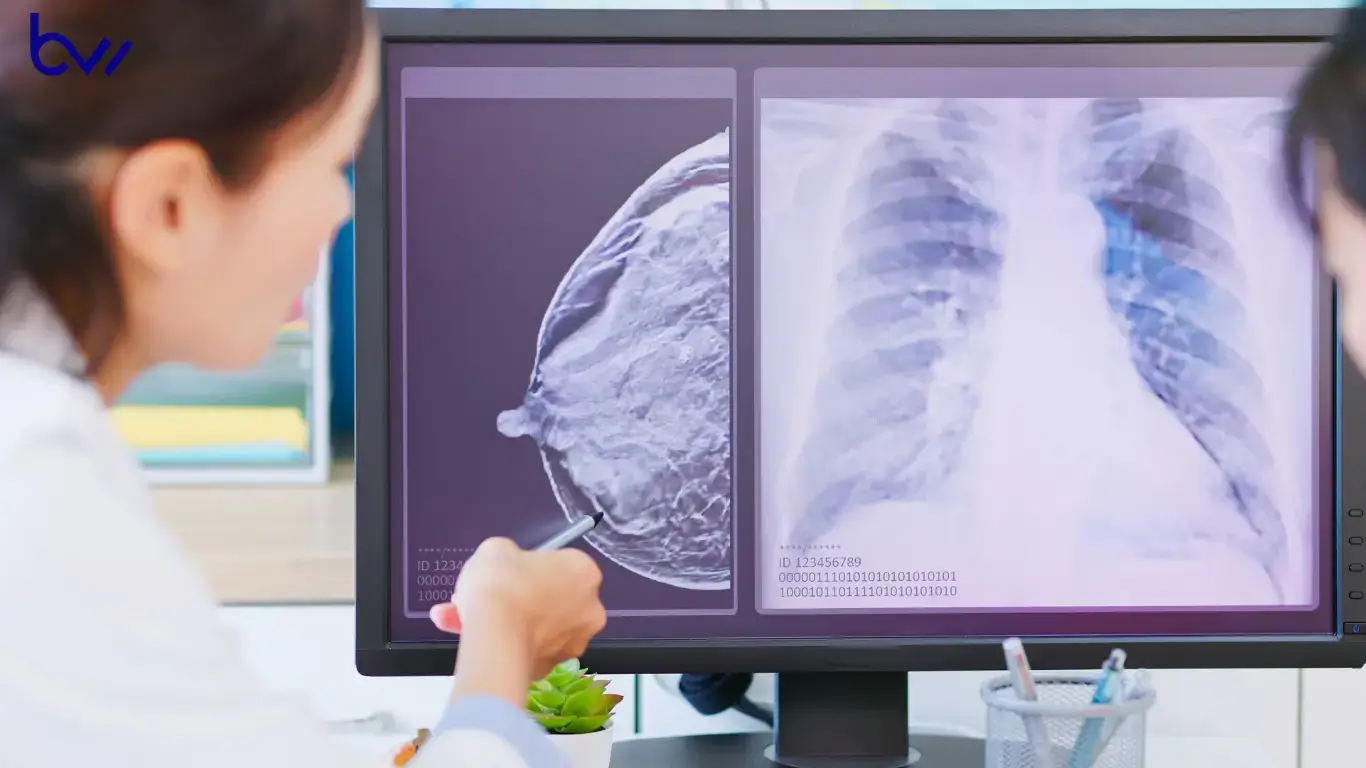
While the colonoscopy is the most comprehensive test, there are other options for colorectal cancer screening. It is important to know your options and discuss them with your healthcare provider.
-
Colonoscopy (Gold Standard)
Pros: It examines the entire colon, finds polyps, and allows for immediate removal (polypectomy). If clear, it only needs to be repeated every 10 years for average-risk women.
Cons: Requires the most rigorous colonoscopy preparation and is invasive.
-
Stool Tests (FIT, gFOBT, mt-sDNA)
These non-invasive, at-home tests look for blood or altered DNA in the stool, which can be signs of polyps or cancer. Examples include the Faecal Immunochemical Test (FIT) and the Multi-Target Stool DNA Test (mt-sDNA, e.g., Cologuard).
Pros: Simple, non-invasive, and done at home.
Cons: If the result is positive, you must have a colonoscopy to find the source of the abnormality. They may miss some polyps. Frequency ranges from yearly (FIT) to every three years (mt-sDNA).
-
Flexible Sigmoidoscopy
This procedure is similar to a colonoscopy but only examines the lower third of the colon (sigmoid colon and rectum).
Pros: Less prep is required, and polyps can be removed from the lower colon.
Cons: Misses polyps higher up in the colon. It is usually performed every five years.
-
CT Colonography (Virtual Colonoscopy)
This uses a CT scan to create detailed images of the colon.
Pros: Non-invasive and doesn’t require sedation.
Cons: Still requires the same extensive colonoscopy prep. If an abnormality is found, a full colonoscopy is required to remove it. It’s typically done every five years.
Are Colonoscopies Different for Women Compared to Men?
The goal of the procedure—a clear, complete look at the colon—is the same for everyone. However, the physical and psychological experiences can differ due to anatomical factors.
Anatomy Differences Doctors Consider
As mentioned earlier, the female colon, particularly in slender or younger women, can be longer and more redundant (have more loops or turns). The colon’s proximity to the pelvic organs can also make it more mobile.
Looping and Insertion
A longer colon means that the doctor has to deal with more curves. Sometimes, the scope can “loop,” which makes the colon wall stretch for a short time. You won’t feel this when you’re deeply sedated, but it can make the insertion phase harder for the doctor.
The Shape and Movement of the Colon After Pregnancy
Women who have had more than one pregnancy or pelvic surgery, such as a hysterectomy, may have internal scar tissue or changes in the shape of their abdomen that affect the colon’s position and movement. You need to tell your doctor about any past surgeries on your abdomen or pelvis because this can change how the female colonoscopy is done.
Colonoscopy Preparation for Women
The colonoscopy prep is, for many, the most daunting part. But with the right mindset and practical tips, you can conquer the colonoscopy preparation. A clear, clean colon is non-negotiable for an accurate result, which is why your compliance is key.
Start Prepping Early (Low-Fibre Diet Timeline)
The biggest mistake is waiting until the day before to think about food.
- 5–7 Days Before: Begin a colonoscopy low-fibre diet. This means avoiding high-fibre foods that are difficult to flush out, such as nuts, seeds (including poppy seeds, which can get stuck), raw fruits and vegetables, popcorn, whole-grain bread, and tough meats. Stick to low-residue foods like white bread, white rice, cooked chicken/fish, and peeled potatoes.
Clear Liquid Day Checklist
The day before your procedure is the clear liquid diet day. Nothing solid is allowed. “Clear” means you should be able to read a newspaper through it.
- Allowed: Water, clear broth (chicken or vegetable), clear sports drinks (Gatorade, Powerade), apple juice, white grape juice, uncoloured Jell-O, black coffee, and tea.
- Crucial Avoidance: Avoid all red, purple, or orange liquids and jello. The dyes can stain the colon lining and be mistaken for blood by the doctor.
The Prep Drink — Tips to Make It Easier
The colonoscopy prep drink is an osmotic laxative designed to clean you out thoroughly. Split dosing, where you drink half the prep the evening before and the second half 4–6 hours before the procedure, is the modern and most effective approach.
- Chill It: Most preps taste better when ice-cold.
- Use a Straw: Place a straw far back on your tongue to bypass most of your taste buds.
- The Chaser: Chase each glass of prep with a small amount of a clear, cold beverage you enjoy (e.g., clear soda, ginger ale, or apple juice).
- Add Flavor: If allowed by your doctor, add a clear, powdered drink mix like Crystal Light (again, no red, purple, or orange).
Hydration Tips That Prevent Nausea & Dizziness
Hydration during colonoscopy prep is vital. You are losing a massive amount of fluid and electrolytes. Dehydration can lead to dizziness, headaches, and nausea.
- Electrolytes are Key: Don’t just drink water. Alternate your prep solution with clear, electrolyte-rich sports drinks (clear colours only!).
- Suck on Hard Candies: Sucking on a lemon or hard menthol or ginger candy (clear only) can help with nausea, dry mouth, and the taste of the prep.
Bathroom Setup Tips (Realistic & Helpful)
You will be spending a lot of time in the bathroom—be prepared and gentle with your skin!
- Moisture is Your Friend: Buy soothing wipes (unscented, non-medicated) instead of dry toilet paper. Follow up with a protective barrier cream like petroleum jelly or zinc oxide after each bowel movement to prevent irritation.
- Entertainment: Bring a book, tablet, or magazine.
- Stay Warm: You may feel chilled. Keep a warm robe or blanket nearby.
What to Expect After a Colonoscopy
You’ve done the hard part! The recovery is usually quick and straightforward.
Recovery Timeline for Women
After the procedure, you’ll be moved to a recovery area while the sedation wears off. You will feel groggy and may have some gas pain. You must have a responsible adult take you home, as you cannot drive or make important decisions for the rest of the day.
- Within a Few Hours: The sedation will mostly wear off.
- Next Morning: You can typically resume all normal activities, including work.
Gas, Bloating & Normal Symptoms
The most common side effect is gas and bloating. This is normal and occurs because air was pumped into your colon to keep it open during the exam. The best remedy is to walk around. Passing gas will relieve the pressure quickly. You may also feel slightly tired.
When You Can Eat Again (Safe First Foods)
Once you are fully awake, the nurse will usually offer a small snack like crackers and juice. When you get home:
- Go Easy: Eat light, easily digestible foods for your first meal. Think soup, toast, eggs, or bland pasta.
- Avoid: Immediately going for a heavy, greasy, or high-fibre meal, which can cause cramping and nausea.
Risks and Complications (Rare but Important)
While complications are rare (occurring in less than 1% of cases), it is important to be aware of them.
Potential Side Effects
The two most serious, though highly unlikely, risks are:
- Bleeding: This is a risk, especially if a polyp was removed. It is usually minor and self-limiting.
- Perforation: A tear in the wall of the colon. This is extremely rare, but if it occurs, it may require emergency surgery.
When to Call Your Doctor
You should call your doctor or seek immediate medical attention if you experience:
- Severe abdominal pain that worsens or doesn’t go away.
- Heavy rectal bleeding (more than a small amount of spotting).
- Persistent vomiting or nausea.
Alternatives to Colonoscopy for Women
The decision for colorectal screening is a personal one, but it should be an informed one.
When Alternatives Are Acceptable
Alternatives like stool tests (FIT/mt-sDNA) are acceptable options for women who:
- Are at average risk (no family or personal history).
- Have significant medical conditions that make the sedation or procedure high-risk.
- They are simply unwilling to have a colonoscopy.
Why Colonoscopy Is Still the Most Accurate Test
The colonoscopy remains the best option because:
- Detection AND Removal: It is the only test that can both find and remove polyps during the same procedure.
- Full View: It provides a visual examination of the entire colon.
- Definitive Result: If your result is clear, you don’t need another screening for 10 years. An alternative test requires a colonoscopy if it yields a positive or abnormal result.
Frequently Asked Questions
When should a female have a colonoscopy?
For average-risk women, routine screening should begin at age 45. If you have a family history of colon cancer or other risk factors, you should start earlier (often at age 40 or 10 years younger than your affected relative).
Are colonoscopies different for men and women?
The procedure and prep are mostly the same. But because some women’s bodies are different (they may have a longer, more looped colon), the procedure can be a little harder for them to do.
How is a colonoscopy done in women?
The procedure is done exactly the same way: a flexible scope is inserted through the rectum while the patient is under sedation (usually deep sedation like Propofol) for maximum comfort. The doctor navigates the scope to the very beginning of the large intestine, checking for polyps and other abnormalities.
Why do men get colonoscopy more than women?
This is largely a myth today. Historically, men have a slightly higher incidence rate of colorectal cancer, and screening awareness may have focused more on men. However, current guidelines apply equally. All women at average risk are strongly encouraged to adhere to the screening age of 45.
Can women wear makeup or nail polish?
It’s best to arrive without makeup, nail polish, or jewellery. Nail polish, especially dark colours, can interfere with the pulse oximeter, a clip placed on your finger to monitor your oxygen levels during the procedure. It’s a small thing, but it helps ensure a safer monitoring process.
Final Words: Women Deserve Early Detection & Better Colon Health
Taking charge of your health means putting preventative care first, and a colonoscopy is one of the best ways to do that. Don’t let myths, fear, or the scary reputation of the colonoscopy prep keep you from getting this important screening that could save your life.
Do women get colonoscopies? Yes, and they deserve the same access to high-quality care, early detection, and accurate results. Talk to your doctor today about the right time for your screening and take the steps to secure your peace of mind and your health for the next decade.