



Can skipping meals really help your body fight cancer? The interaction between intermittent fasting and autophagy has recently become a hot topic in health studies, especially in how it might relate to cancer prevention. This guide examines the relationship between intermittent fasting and autophagy and how these two concepts can work in tandem to improve cellular health and fight cancer.
Introduction to Intermittent Fasting and Autophagy
Intermittent fasting, also known as IF, is a kind of eating pattern that switches between times of eating and times of fasting. Instead of concentrating on what to eat, intermittent fasting focuses on when a person eats, thus making it a somewhat flexible approach for many people. The practice has gained popularity for its benefits in weight loss, metabolic health, and longevity.
While autophagy is essentially a normal cellular process for the degradation and recycling of cellular constituents, it is fundamentally important in cellular health due to its function in the removal of damaged organelles and proteins, preventing cellular dysfunction. Recent studies have shown the crucial role of autophagy in the prevention and treatment of cancer, forming one of the main areas of current interest.
Overview of Intermittent Fasting and Its Popularity in Health Research
Intermittent fasting has gained traction in health and wellness circles, with several studies pointing to its probable benefits. It is said that intermittent fasting will help improve metabolic health by improving insulin sensitivity and will thus result in weight loss. Further, it is linked to a longer life span and a low risk of chronic diseases.
The fact that it can trigger autophagy is among the most important motives behind the recently growing interest in intermittent fasting. This makes understanding the connection between intermittent fasting and autophagy particularly important as more people are looking for natural methods of improving their health and preventing cancer.
Understanding Autophagy: The Body’s Natural Cellular Recycling Process
A literal translation of autophagy, using the Greek roots “auto” meaning self and “phagy” meaning eating, would be “self-eating.” This process is important in cellular homeostasis, enabling cells to cope with stress while maintaining cellular function. Through autophagy, damaged or dysfunctional cellular organelles and proteins are engulfed by double-membraned vesicles called autophagosomes. These vesicles subsequently fuse with lysosomes, where they are degraded and recycled.
Autophagy has many functions, including:
- Removal of damaged organelles and proteins
- Supporting cellular repair and regeneration
- Regulating energy metabolism and nutrient availability
- Enhancing immune responses
The regulatory mechanism of autophagy is complex and involves the interplay of multiple signaling pathways, including the inhibition of mechanistic target of rapamycin and activation of AMP-activated protein kinase. Understanding these mechanisms is crucial for exploring how intermittent fasting can enhance autophagy and potentially aid in cancer prevention.
Why Autophagy is Critical in Cancer Prevention and Treatment
Autophagy has a double role in cancer; it works as a tumor suppressor in the early stages of cancer, although in established cancers, it works to promote tumor growth. In the context of prevention, autophagy eliminates damaged cells and prevents the accumulation of mutations that could lead to cancerous growth.
The key reasons why autophagy is important to prevent cancer include:
- DNA Repair: Autophagy helps in the repair of damaged DNA, thereby reducing the chances of mutation, which may result in carcinogenesis.
- Immune System Support: While autophagy eliminates pathogens and cellular debris, it acts to enhance the immune system’s capability in recognizing and destroying cancerous cells.
- Metabolic Health: It regulates cellular metabolism by way of autophagy, maintaining a balance in the cell’s energy needs for proper functioning and resisting stress.
Although the research on autophagy details its complex nature, this process is increasingly being recognized as a possible target for therapy in the treatment of cancer. Here is where intermittent fasting plays a role.
Types and Methods of Intermittent Fasting


There are many other popular methods of intermittent fasting, each with its own structure and benefits. Three common approaches are as follows:
1. 16:8 Method
That means one is going to fast for 16 hours a day and then eat within an 8-hour time frame. As an illustration, one eats between 12 PM and 8 PM and fasts between 8 PM to 12 PM the following day. This method is often favored for its simplicity and flexibility.
2. Alternate-Day Fasting
As the name would suggest, in alternate-day fasting, days of normal eating are alternated with days of fasting or drastically reduced intake of calories. This approach can be tougher, but it may also make autophagy more effective as a result of the extended period of fasting.
3. Prolonged Fasting
Longer periods of fasting, wherein one fasts for 24 hours or more, should be conducted no more frequently than once a week. This approach may cause a greater autophagic response but, again, must be considered with caution and, when possible, under medical guidance.
All these methods can stimulate autophagy, but one should choose the approach based on preferences and health conditions.
Biological mechanisms connecting fasting to autophagy
The relationship between intermittent fasting and autophagy is primarily mediated through several biological mechanisms:
- mTOR Inhibition: Fasting has an inhibitory effect on the mTOR pathway, which is a vital regulator of cell growth and metabolism. When mTOR is inhibited, it triggers autophagy, a process in which cells recycle damaged components.
- AMPK Activation: Intermittent fasting activates AMPK, a cellular energy sensor that promotes autophagy. AMPK activation improves cellular energy balance and encourages the breakdown of unnecessary cellular components.
- Production of Ketones: The body switches from a glucose-based metabolism to a fat-based metabolism during fasting, producing ketones. Some evidence supports the belief that ketones enhance autophagy and have an extra protective effect against tumorigenesis.
- Fasting-Mimicking Diets: These diets mimic the effects of fasting while allowing some intake of calories. They can also stimulate autophagy and have been researched for their possible benefits in the prevention of cancers.
These pathways enable investigators to better understand how intermittent fasting can be used to augment autophagy for the enhancement in the fight against cancer.
Impact of Intermittent Fasting-Induced Autophagy on Cancer
The effects of intermittent fasting on autophagy have very important implications regarding prevention and treatment of cancer. Fasting has been shown to result in the following:
- Reduced Tumor Growth: Animal studies have indeed shown that intermittent fasting can reduce tumor growth and also increase the efficacy of chemotherapy.
- Improved Treatment Tolerance: Fasting may promote better tolerance to chemotherapy in cancer patients by minimizing side effects and reinforcing the therapeutic efficacy of the treatment.
- Improved Immune Response: Fasting can enhance the immune system’s response against tumors by promoting autophagic processes that clear damaged cells.
These results indicate that intermittent fasting may be a useful complement in cancer treatment and prevention, pending further investigations for complete elucidation of its mechanisms and effects.
Evidence from Scientific Research and Clinical Studies
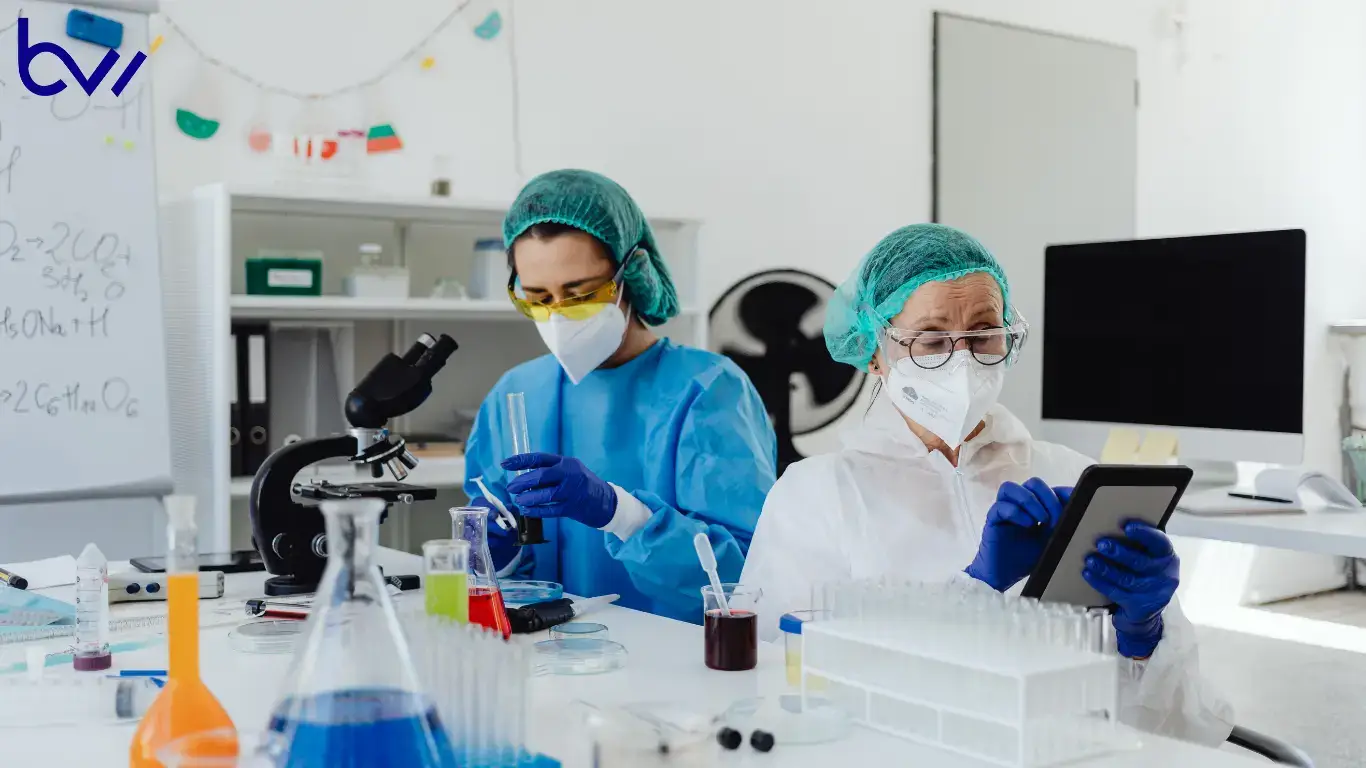
Much research has focused on the interactions between intermittent fasting, autophagy, and cancer. One such study published in the journal Cell Metabolism found that, along with increasing autophagy, intermittent fasting greatly diminished tumor incidence in mice through reduced inflammation (Longo, V. D., & Mattson, M. P., 2014).
Another study reported in Nature Communications showed that fasting before chemotherapy had better results in cancerous mice, and this could mean that fasting can enhance the efficacy of available cancer therapies. -Safdie, F. M. et al., 2009
In a clinical context, a study conducted by researchers at the University of Southern California demonstrated that the quality of life in cancer patients who were undergoing chemotherapy improved using a fasting-mimicking diet. Mattson, M. P. et al. (2017)
These studies further pinpoint intermittent fasting as a promising approach that could be considered for enhancing autophagy toward the improvement of cancer outcomes; however, different clinical trials will be needed to establish guidelines and recommendations.
Practical Application: Enhancing Autophagy Safely
Here are some tips that might be helpful for those who want to try intermittent fasting to enhance autophagy and possibly help prevent cancer:
- Get started gradually: If you are just starting to practice fasting, begin with shorter fasting periods and gradually increase the duration as your body adjusts.
- Hydrate Your Body: A lot of water intake during fasting will keep the body fit and healthy overall.
- Emphasize Nutrient-Dense Foods: The focus of eating should be on whole, nutrient-dense foods to support metabolic health and provide necessary nutrients.
- Consult a Health Care Professional: Consult your health care professional before starting a fasting method, especially if you have a condition presently or are under treatment for one.
These might be implemented to allow individuals to safely enhance autophagy by practicing intermittent fasting and perhaps reap its benefits for cancer prevention.
Risks and Considerations

While intermittent fasting can present many health benefits, it is not suitable for everyone. Some of the potential risks and considerations include the following:
- Hypoglycemia: Fasting might lead to low blood sugar in people with diabetes or those taking drugs affecting their blood sugar levels.
- Nutrient deficiencies: Prolonged fasting and poor nutrition during eating periods could result in deficiencies of essential nutrients.
- Eating Disorders: Fasting for some can facilitate unhealthy relationships with food or further worsen eating disorders already present.
It is important to practice intermittent fasting with mindfulness and to consult health experts when needed.
People Also Ask (FAQs)
- Does intermittent fasting indeed enhance autophagy?
Yes, intermittent fasting can enhance autophagy through mechanisms that include mTOR inhibition and AMPK activation, both of which promote cellular recycling processes. - How does autophagy help in cancer prevention?
Through autophagy, damaged cells are eliminated, DNA repair is supported, and immune function is improved, all of which contribute to the prevention of cancer. - What are safe fasting methods for beginners?
The 16:8 fasting method is often easiest for beginners, as it involves fasting for 16 hours and eating within an 8-hour window. - Are there risks associated with intermittent fasting?
Yes, potential risks include hypoglycemia, nutrient deficiencies, and possible triggers for disordered eating. It’s best to consult a healthcare professional before starting. - Does fasting improve chemotherapy effectiveness?
Emerging studies suggest that fasting may enhance the effectiveness of chemotherapy by improving the body’s stress response while reducing treatment side effects.
Conclusion and Key Takeaways
Intermittent fasting certainly holds promise as a method to increase autophagy, with possible important implications for the prevention and treatment of cancer. The biological mechanism underlying this relationship gives insight into how intermittent fasting could be an important modulator of human health and disease. While the evidence is promising, it is crucial to approach intermittent fasting safely and consult with healthcare professionals, particularly for those with underlying health conditions.
As research continues to evolve, the potential for intermittent fasting as a complementary strategy in cancer care remains an area of exciting exploration. Taking safe approaches to fasting could not only support autophagy but also lead to better overall health and well-being.