

Let’s be real for a minute: can anxiety and stress cause hemorrhoids? You might be surprised how much your mental state can affect your digestive system and overall gut health. When life gets overwhelming, your body shows it in unusual ways, like headaches, tense shoulders, or a stomach that feels like it’s doing cartwheels.
Dealing with hemorrhoids on top of anxiety is frustrating. The pain, itching, or even bleeding can make you feel like your body is working against you. Stress doesn’t make hemorrhoids appear out of nowhere, but it does change your body and habits in ways that can make them worse.
Let’s break down exactly how your worried mind can end up being a literal pain in the butt, ways to prevent flare-ups and more importantly, how to break the cycle.
How Stress and Anxiety Affect Your Digestive System
To understand the link between your brain and your backside, we have to look at how closely they are connected. Your gut is incredibly sensitive to your emotional state.
1. The Gut-Brain Axis: How Your Brain Talks to Your Gut
You could say that your brain and your digestive system are like best friends who text each other all the time. The gut-brain axis is the name for this connection. They talk to each other through a complicated system of nerves and chemicals.
Your gut has its own nervous system, which is interesting. It’s often called your “second brain.” This system is in charge of digestion. When your main brain is anxious, it sends a distress signal down the axis to your second brain right away, which stops normal operations.
2. The sympathetic and parasympathetic nervous system in digestion
There are two main ways your autonomic nervous system works. “Rest and digest” is another name for the parasympathetic system’s digestion mode. This is when your body is calm, blood flows easily to your stomach and intestines, and food moves easily.
When you’re under stress, your body goes into “fight or flight” mode, which is controlled by the sympathetic nervous system. This stops digestion. Your body thinks it needs to run away from a tiger, so it sends blood away from your digestive tract and to your muscles. Digestion pretty much stops.
3. Stress Hormones and How They Affect Your Bowel Movements
When the “fight or flight” alarm goes off, your body releases a lot of stress hormones, such as cortisol and adrenaline. These hormones mess up the way your intestines work.
These hormones slow things down for some people, which makes things back up. For some, it makes things go too quickly. Stress and digestion don’t mix well because of this erratic behavior, which causes symptoms that make digestion harder and can lead to hemorrhoids.
Digestive Problems Caused by Stress That Trigger Hemorrhoids
When stress and hemorrhoids link up, it’s usually because of specific digestive symptoms that stress exacerbates.
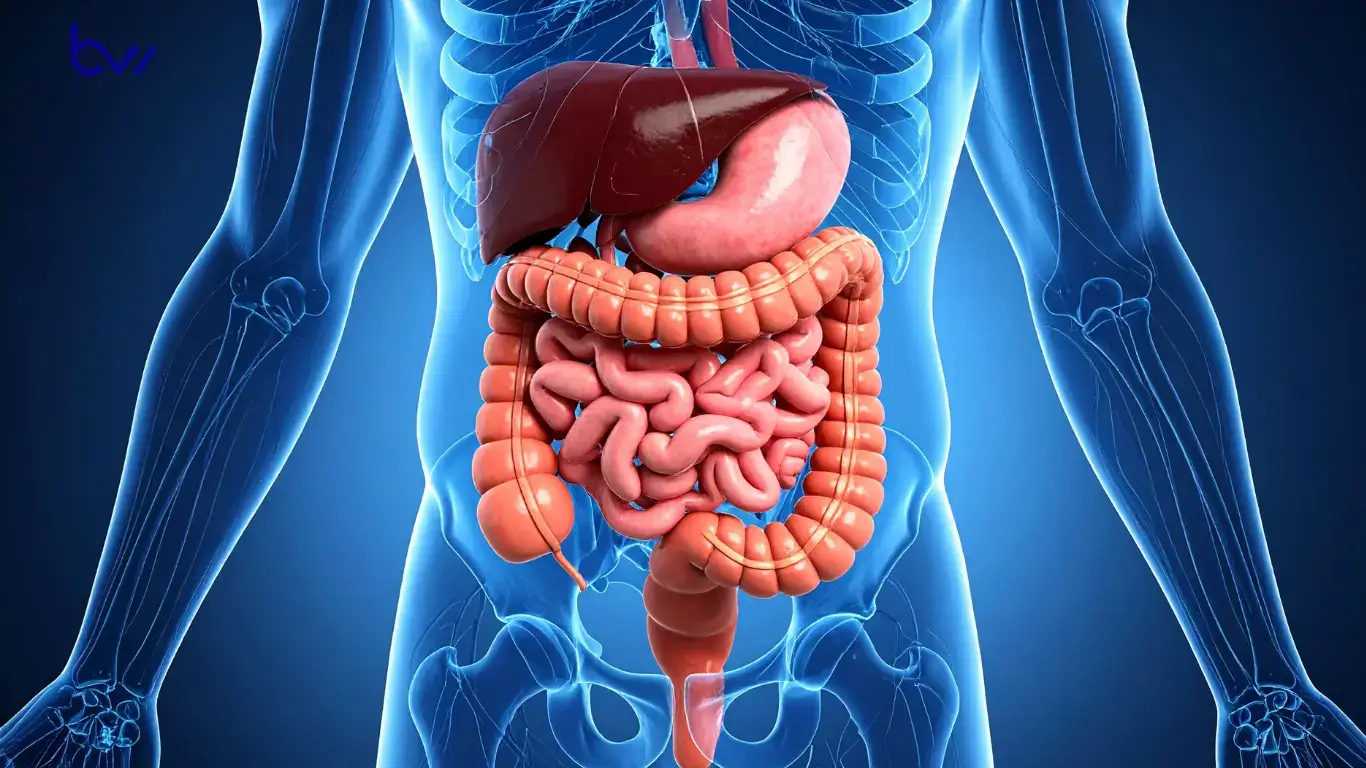
1. Constipation and Straining
The biggest enemy of a healthy rectum is straining, and hemorrhoids love straining. If your poop is hard because stress slowed down your digestion, you have to push harder. That pushing action acts like blowing up a balloon—it forces blood into the small veins of the anus until they swell.
2. Frequent Diarrhea and Anal Irritation
If your anxiety causes frequent, loose movements, you are wiping more often. This constant friction, combined with the chemical irritation from diarrhea, weakens the tissues around the anus. This makes the veins more susceptible to swelling and bleeding, leading to painful digestive issues and hemorrhoids.
3. Stomach Pain, Bloating, and Slow Digestion
General poor digestion caused by anxiety leads to bloating and gas. This increased abdominal pressure pushes down on the pelvic floor, adding stress to the rectal veins. It’s a constant, low-level pressure that contributes to the problem over time.
4. Emotional Eating & Low Fiber Diet
When we are stressed, we rarely crave broccoli and lentils. We crave comfort foods—high-fat, high-sugar, processed options that are terrible for digestion.Emotional eating usually means a low fiber diet that hemorrhoids thrive on. Without enough fiber, your stool lacks bulk and moisture, leading straight back to constipation and straining.
5. Poor Sleep and Bowel Health
Anxiety often wrecks sleep. A tired body doesn’t digest well. Lack of restorative sleep throws off your body’s natural rhythms, including your bowel regularity, further compounding disrupted digestion symptoms.
Lifestyle Habits Caused by Stress That Increase Hemorrhoid Risk

It’s not just what’s happening inside your gut. Stress changes your daily routine in ways that invite hemorrhoids to the party.
1. Sitting Too Long
When you’re stressed, depressed, or anxious, you might lack the energy to move. You might spend hours doom-scrolling on the couch or stuck at your desk worrying about work. Sitting too long, hemorrhoids are a real thing; prolonged sitting allows gravity to pool blood in the anal area, increasing pressure on those veins.
2. Skipping Exercise
Who wants to go to the gym when they are having a panic attack? Stress often leads to a lack of exercise. Physical activity is crucial for keeping your digestive system moving. When you stop moving, your gut stops moving.
3. Eating Junk Food or Low-Fiber Meals
As mentioned, stress eating and constipation go hand in hand. Relying on fast food or takeout because you’re too stressed to cook means you aren’t getting the nutrients your gut needs to function smoothly.
4. Drinking Less Water
When you’re frantic, it’s easy to forget basic self-care like drinking enough water. Dehydration leads to hard stool, making bowel movements difficult and painful.
5. Poor Toilet Habits (delaying bowel movements)
Sometimes, anxiety makes you avoid public restrooms, or you’re just too busy worrying to listen to your body’s signals. Holding in a bowel movement causes the stool to harden and dry out in the rectum, guaranteeing straining later.
Emotional Impact: The Vicious Cycle of Stress and Hemorrhoids
Having a hemorrhoid hurt so much that you worry about it happening again can make you constantly check your body for pain, which only makes you more tense overall. This anxiety can make the bathroom a scary place because you might hold in your bowel movements without meaning to, which can make constipation worse. On top of that, stress lowers your pain threshold, making even a manageable hemorrhoid feel excruciating when anxiety is high.
Effective Ways to Manage Stress and Prevent Hemorrhoids
To fix the butt problem, you often have to start with the head problem. Calming your mind is a legitimate digestive aid.
1. Being aware and taking deep breaths
Stop when you start to feel tense. Do deep belly breathing. This turns on the parasympathetic nervous system, which helps the gut-brain axis relax and lowers pelvic tension.
2. Meditation to Help with Stress
Meditating regularly lowers your baseline cortisol levels. It helps you deal with stress without your body going into fight-or-flight mode right away, which is good for your digestion in the long run.
3. Relaxation and warm baths
A warm bath not only calms your mind, but it also relaxes the muscles around your anus and increases blood flow. This helps heal existing hemorrhoids and stops them from getting worse. These ways of dealing with stress have two uses.
4. Play Music or Disconnect From Social Media
Find what disconnects you from your worries. If scrolling through the news makes you tense, turn it off. Put on calming music. Give your brain a break so your gut can catch one, too.
When to See a Hemorrhoid Specialist
Sometimes, stress management and diet aren’t enough.
-
Signs You Need Medical Treatment
If your hemorrhoids aren’t improving after a week of home care, if the pain is severe, or if you have a lump that won’t go down, it’s time to see a doctor.
-
Minimally Invasive Hemorrhoid Procedures
Don’t panic; seeing a hemorrhoid specialist doesn’t always mean surgery. There are many effective, minimally invasive treatment options, like rubber band ligation or infrared coagulation that can be done quickly in an office setting to resolve bothersome hemorrhoids.
-
When Bleeding Is Serious
While hemorrhoids are the most common cause of rectal bleeding, you should never assume. Any persistent bleeding should be checked by a doctor to rule out more serious conditions.
FAQ Section
Can Stress and Anxiety Really Cause Hemorrhoids?
The short answer is yes, but usually not directly. You won’t get a hemorrhoid just thinking anxious thoughts. Instead, whether anxiety can cause hemorrhoids depends on what that anxiety does to your bathroom habits.
Can stress cause hemorrhoids to bleed?
Yes. Stress often leads to constipation and hard stool. Passing this hard stool can scratch or tear the surface of an existing hemorrhoid, causing it to bleed during a bowel movement.
What emotion is linked to hemorrhoids?
While no single emotion “causes” them, high levels of anxiety, fear, “holding on” to tension, and feeling overwhelmed are strongly linked to the digestive issues (like constipation and pelvic tension) that create hemorrhoids.
Can lack of sleep cause hemorrhoids?
Yes, indirectly. Poor sleep disrupts your body’s natural rhythms, including digestion, which can lead to irregular bowel movements and constipation, increasing hemorrhoid risk.
Do stress and Anxiety Cause Hemorrhoids to Flare Up?
Yes, stress and anxiety can trigger hemorrhoids to flare up, usually indirectly. Anxiety affects your digestion, causes constipation or diarrhea, and can make you tense, all of which increase pressure on the anal veins. This chain reaction can make existing hemorrhoids painful, swollen, or even bleed.
Final Word: Stress Less, Heal Faster
Can stress cause hemorrhoids? Yes, by wrecking your digestion and changing your habits. It’s a painful reminder of how connected our minds and bodies really are. By treating yourself with kindness—both mentally and physically—you can break the cycle, soothe your anxiety, and heal your body.