
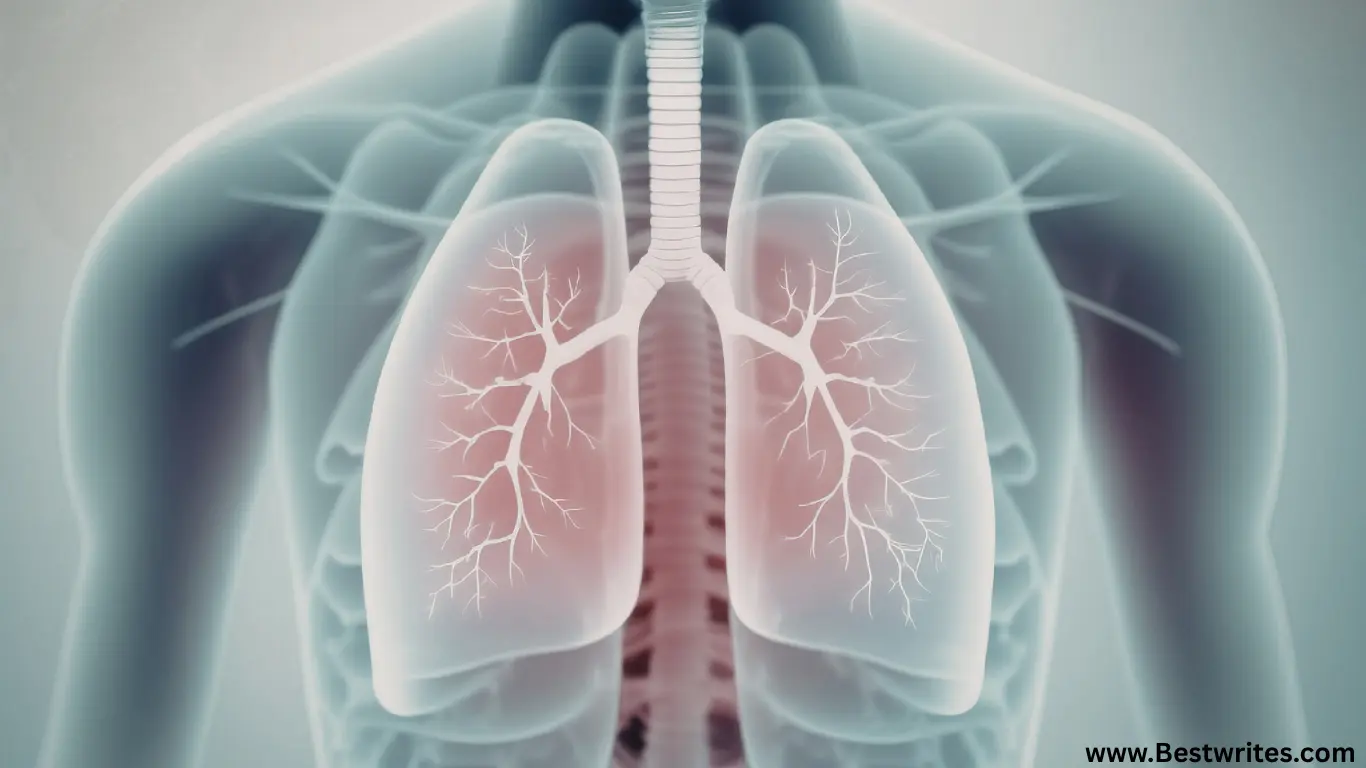
When you hear about a spot on your lung, it can be frightening. Many people immediately think of cancer. But the truth is, not every lung spot is dangerous. Understanding when to worry about a lung nodule and recognizing possible lung nodule symptoms can help you make informed decisions instead of panicking. In the United States, lung nodules are commonly discovered during routine imaging, especially with the increasing use of CT scans and lung cancer screening programs.
For many, lung nodule is not a familiar term because no one is talk about it freely because of lack of awareness. To understand it properly, we create this guide that will explain everything from lung nodule causes to its treatments. Have a look:
What Is a Lung Nodule?
A lung nodule, also known as a pulmonary nodule, is a small round or oval growth in the lung. Most nodules are less than 3 centimeters (about 1.2 inches) in diameter. Anything larger than 3 cm is typically classified as a lung mass and carries a higher risk of malignancy.
On imaging, especially a chest CT scan, nodules appear as white spots. Many are discovered incidentally when a person undergoes imaging for unrelated reasons often referred to as an incidental lung nodule on chest x ray or CT.

Symptoms: Do They Cause Pain?
According to recent researches, most of small nodules cause no symptoms. They are usually silent. However, possible lung nodule symptoms USA may include:
- Chest Discomfort
- Coughing Up Blood (Rare But Serious)
- Persistent Cough
- Shortness Of Breath
Many people ask, do lung nodules cause pain? So, basically, there is no pain at all especially if small. But if the nodule enter into advance stage then it might cause pain.
Are Lung Nodules Common in the U.S.?
According to data from the American College of Chest Physicians, up to 1.5 million Americans are diagnosed with pulmonary nodules each year. With expanded screening under the U.S. Preventive Services Task Force recommendations for lung cancer screening, even more nodules are being detected.
But the good news is roughly 60% to 70% of lung nodules are benign (non-cancerous).
Lung Nodule Causes: Why Do They Form?
Understanding lung nodule causes US helps determine whether there is reason for concern. Common causes include:
1. Infections:
If you have past bacterial or fungal infections, they can leave small scars in lung tissue. In regions like the Midwest and Southwest U.S., fungal infections such as histoplasmosis are common benign causes.
2. Inflammation:
Different medical conditions like rheumatoid arthritis or sarcoidosis may lead to inflammatory nodules. The condition of the patient get severe as the inflammation get worse by the time.
3. Smoking and Lung Nodules:
Long-term smoking significantly increases the risk that a nodule may be cancerous. Smoking history is one of the biggest factors doctors consider during lung nodule diagnosis.
4. Benign Tumors:
In some cases, hamartomas are common non-cancerous growths found in the lung.
5. Cancer:
A minor percentage of nodules represent early lung cancer or metastasis from other cancers.
If we analyze the causes of lung nodule, it leads to the most common concern: is a lung nodule cancer? In most cases, no, but proper evaluation is essential.
What Are The Risk Factors Of Lung Nodule?
The key question patients ask is: when should I worry about a lung nodule? Therefore, we evaluate here the possible risk factors that including:
- Age because the higher risk over 50
- Family history of lung cancer
- Growth over time
- Smoking history
- Size of the nodule
- Shape and border characteristics
Moreover, the presence of multiple nodules can increase the risk of lung nodule and can make it worse for the patient.
What Size of Lung Nodule Is Concerning?
When concerning about cancer, size is one of the strongest predictors that must be consider. Here’s a simplified lung nodule size chart used in U.S. practice, have a look:
| Nodule Size | Cancer Risk | Typical Recommendation |
| 4 mm or smaller | Very low About 1% | Usually no follow-up |
| 4–6 mm | Low | CT in 12 months |
| *6–8 mm | Moderate | CT at 6–12 months |
| **Over 8 mm | Higher | PET scan or biopsy |
(Chart based on Fleischner Society guidelines)
*For a lung nodule 6 mm follow up guidelines, physicians often recommend repeat imaging within 6–12 months depending on patient risk factors.
**A lung nodule 8 mm cancer risk increases significantly and may require additional evaluation such as a PET scan for lung nodule or biopsy.
The above-mentioned chart can help the patient to understand the sensitivity of their nodules and when to see the doctor.
Key Differences of Benign and Malignant Lung Nodule:
Understanding benign vs malignant lung nodule features can reduce anxiety because many people don’t know the basic difference. We are describing characteristics of both conditions so you can understand it better.
| Benign Characteristics: | Malignant Characteristics: |
| Smooth, well-defined edges | Irregular or speculated edges |
| Stable over 2 years | Rapid growth |
| Calcification patterns | Larger than 8 mm |
| Associated lymph node enlargement |
So, there is the clear difference between these types of lung nodules. We suggest to consult the doctor before making any theories or assumptions.
How To Lung Nodule CT Scan Results Explained?
A lung nodule CT scan results explained section from your radiology reports. it may include medical terms like:
- Ground-Glass Opacity
- Solid Nodule
- Part-Solid Nodule
- Speculated Margins
Here, ground glass lung nodule cancer risk USA can vary where persistent ground-glass nodules, especially those growing over time, may represent early adenocarcinoma. Simply, your physician can read and explain about your current condition.

When Lung Nodule Found on CT scan: What Next?
If you’ve had a lung nodule found on CT scan what next, there are a few steps that will followed including:
- Review of prior imaging
- Risk assessment
- Follow-up imaging
- PET scan
- Biopsy if needed
After the whole assessment, the medical facility will suggest what you need further or is there any treatment needed or not.
When To Go For Lung Biopsy?
After a long procedure of multiple scans and reviews, a lung biopsy procedure may be recommended if:
- Nodule is larger than 8 mm
- Growth observed
- High-risk patient (smoker, older age)
- PET scan shows increased activity
It will be needed for start the treatment.
What Biopsy methods Are Used?
These are including:
- Needle biopsy
- Bronchoscopy
- Surgical biopsy
Many patients ask: when is a lung biopsy needed? It is typically advised when imaging cannot confidently determine whether the nodule is benign.
Treatment:
Lung nodule is a serious issue if it exceed from 4mm or start paining. Although, your lung nodule treatment options depend on diagnosis therefore, we assist you with available treatment options:
- Watchful Waiting: Many nodules require only monitoring.
- Surgery: If cancerous, minimally invasive surgery may remove the nodule.
- Radiation Therapy: Used in certain cancer cases.
- Chemotherapy or Targeted Therapy: For confirmed malignancy.
These 4 treatments are most recommended by the expert medical authorities.
Lung Cancer Screening Recommendations in the U.S.
The ratio of lung nodules effected patients has significantly low due to improved early detection rates. The reason behind is the efforts of US government where the U.S. Preventive Services Task Force recommends annual low dose CT scan screening. It is dedicated for adults aged 50–80 who have a 20-pack-year smoking history and currently smoke or quit within the past 15 years.
Some Concerned Queries Asked by People:
Through this guide, we would like to answer all the queries so people can get instant support from us and they know when they seek medical assistance. Here are a few queries that need to be answered. Let’s get started:
1. Is There Any Medicare Coverage for Lung Nodule CT Scan?
Many Americans worry about the price of treatment. Fortunately, Medicare coverage for lung nodule CT scan includes annual low-dose CT scans for eligible high-risk individuals under Part B. The cost of lung nodule biopsy in USA varies widely, typically ranging from $3,000 to $10,000 depending on hospital and insurance coverage.
2. Are Lung Nodules Always Cancer?
No. We already debate on that. In fact, studies show that only about 5% of incidentally detected nodules are malignant. But it can be treated if diagnose on time. So if you’re wondering, are lung nodules always cancer? The answer is no but expert’s overview required.
3. How Fast Do Cancerous Lung Nodules Grow?
Benign nodules often remain stable but cancerous nodules typically double in size between 1 month and 1 year. So if you’re asking, how fast do cancerous lung nodules grow, monitoring over time is key.
4. Can Lung Nodules Go Away on Their Own?
Yes, the minor one especially those caused by infection. So, can lung nodules go away on their own? Absolutely and particularly inflammatory nodules.
5. How Long Can You Live With a Lung Nodule?
Many people live their entire lives with benign nodules. If malignant but detected early through lung cancer screening USA, survival rates improve dramatically. According to the American Cancer Society, the 5-year survival rate for localized lung cancer is approximately 63%.
The answer of how long can you live with a lung nodule? It depend entirely on the diagnosis. The only need is to go to the authentic medical institution that provide 100% safe assessment and treatment.
Conclusion:
Finding out you have a lung nodule can be unsettling. But knowledge is power. Understanding what is a lung nodule, reviewing the lung nodule size chart, and following U.S. screening guidelines can help you approach the situation calmly. But, if your doctor recommends monitoring, that often means the risk is low. If further testing is needed, remember that early detection greatly improves outcomes.
If you are eligible for lung cancer screening, speak with your healthcare provider. And if you notice persistent lung nodule symptoms, seek evaluation promptly. Staying informed, asking questions, and following medical advice are the best ways to protect your lung health.

- Medical training, Dow Medical College, Karachi, Pakistan, 2006
- Internal Medicine Residency, Guthrie Robert Packer Hospital, Sayre, PA, 2013
- Infectious Diseases Fellowship Training, The Ohio State University, Columbus, OH, 2015
CERTIFICATIONS
- Diplomate American Board of Internal Medicine, 2013