
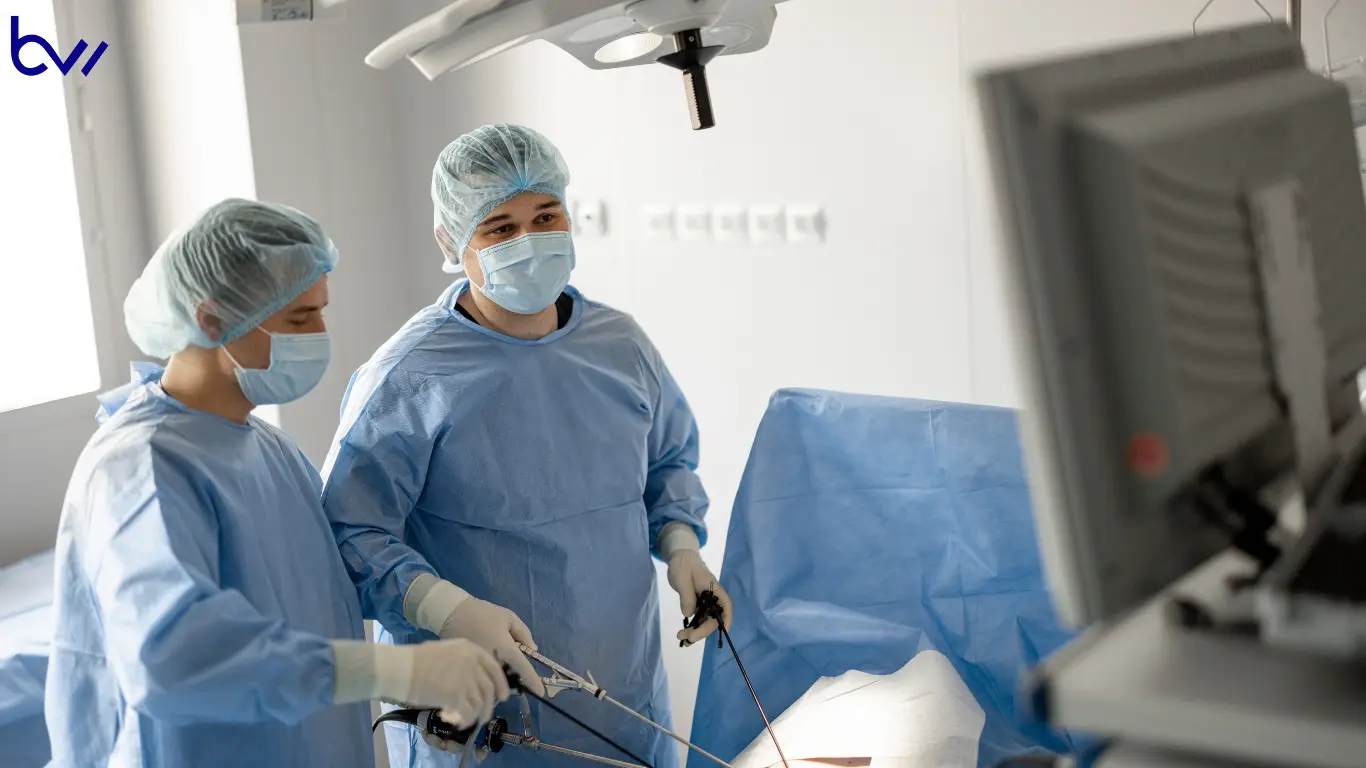
Finding out you need an endoscopy can feel a bit overwhelming. Immediately, your mind jumps to questions about the procedure itself: What is it going to feel like? and perhaps the most common query: What is the prep for an endoscopy?
If you’re feeling nervous, take a deep breath. You are not alone. Millions of people undergo an endoscopy every year. It’s an incredibly common, safe, and powerful diagnostic tool that gives your doctor a direct, clear view inside your digestive tract.
The truth is, the preparation is the most crucial part of the entire process. A properly prepared digestive tract means the doctor can see everything clearly, making the procedure faster, safer, and much more accurate. In short, good endoscopy preparation leads to good results.
This complete guide breaks down exactly what you need to do, step by step, to ensure your procedure goes perfectly. We’ll cover everything from diet changes days in advance to what happens the moment you wake up.
What Is an Endoscopy and Why Preparation Matters?
An endoscopy is a minimally invasive procedure that lets a specialist, usually a gastroenterologist, look inside your body. An endoscope is a long, flexible tube with a small camera and light on the end.
The tube is put through a natural opening, usually the mouth or the rectum, depending on what part of the body is being looked at.
Getting ready is important because the camera needs to be able to see clearly. If you tried to take a picture through a dirty window, the picture would be blurry and hard to see. Also, if there is food, waste, or liquid in your stomach or colon, it can block the doctor’s view and hide important things like inflammation, ulcers, or polyps.
If you don’t follow the instructions for the prep, the doctor might have to stop the procedure and reschedule it. This means you’ll have to go through the prep process all over again. That’s why it’s so important to get the prep right the first time!
What Diseases Can Be Detected by an Endoscopy?
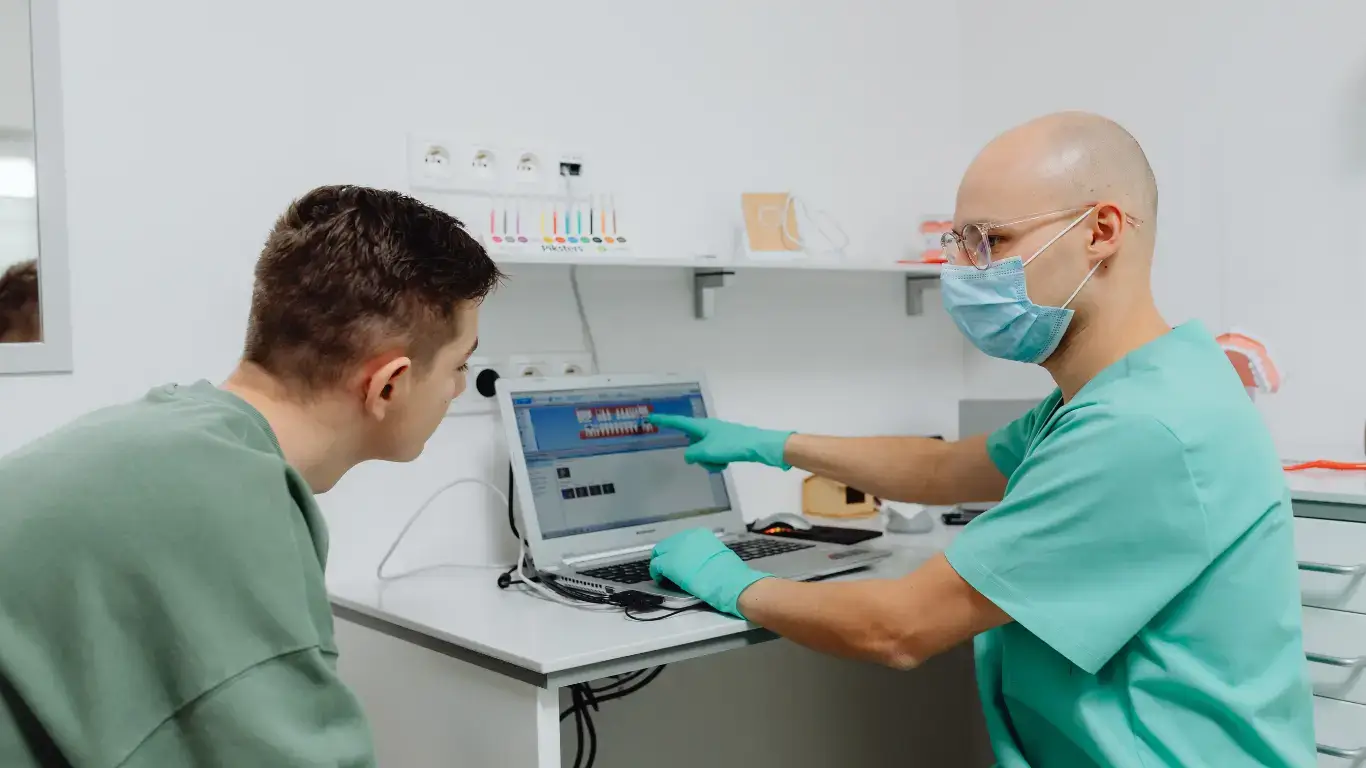
Endoscopy is a powerful diagnostic tool that lets doctors look right inside your digestive tract to find many different conditions. When the doctor examines the upper digestive system, they can spot problems such as Gastroesophageal Reflux Disease (GERD), ulcers, inflammation of the stomach lining (gastritis), Celiac disease, narrowed areas (strictures), tumors, and early signs of cancer.
When looking at the lower digestive tract—which happens during a colonoscopy—the endoscopy can find polyps, sources of bleeding, inflammation (colitis), diverticula, and colorectal cancer. Endoscopy is more than just a diagnostic tool; doctors can also use it to perform treatments, such as taking small tissue samples (biopsies), removing growths (polyps), or even stopping internal bleeding. This makes it a procedure used for both finding and fixing problems.
How to Prepare for an Endoscopy (Complete Checklist)
Your doctor’s office will provide the most specific instructions based on your health history and the specific type of endoscopy you are having (like an EGD or a colonoscopy). However, this general timeline will give you a clear idea of what’s involved.
7–14 Days Before Your Endoscopy
This is the time to check your calendar and prescriptions.
- Notify Your Doctor: Discuss all medications, vitamins, and supplements you are taking, especially blood thinners (like Warfarin, Plavix, or even high-dose aspirin). You will need specific guidance on when to stop them to prevent bleeding during the procedure.
- Iron Supplements: If you take iron supplements, your doctor will almost certainly ask you to stop taking them. Iron can leave a dark residue that is very difficult for the scope to see through.
5 Days Before Your Endoscopy
Start making dietary adjustments, particularly for a colonoscopy.
- Stop Certain Medications: You will likely be asked to stop taking NSAIDs (Non-Steroidal Anti-Inflammatory Drugs) like ibuprofen (Advil, Motrin) and naproxen, as these can also increase the risk of bleeding.
- GLP-1 Medications: If you are taking newer diabetes or weight-loss medications like GLP-1 medications (Ozempic, Wegovy, Mounjaro), you must inform your doctor. These medications slow stomach emptying, which poses a serious aspiration risk during sedation. Your doctor will likely instruct you to stop these drugs for several days or even weeks before the procedure.
3 Days Before Your Endoscopy
Time to make noticeable changes to your diet to ease the subsequent prep.
- Low-Residue Diet: Start eating low-fiber or low-residue foods. This means avoiding nuts, seeds, popcorn, whole grains, raw vegetables, and fruits with skins. These foods are harder for the body to digest and can leave residue behind. This is key to a smooth upper GI endoscopy prep if you are having an EGD.
1 Day Before Your Endoscopy
The prep ramps up significantly today.
- Clear Liquid Diet: Today, you will transition to a clear liquid diet. This means nothing solid. A clear liquid is anything you can see through. We’ll detail the guidelines below, but think broth, clear sodas, and clear juices.
- Start Bowel Prep (If Required): If you are having a colonoscopy, this is when you typically start the bowel prep regimen prescribed by your doctor.
The Night Before Your Endoscopy
This is the final phase of your prep, often involving the second dose of the bowel cleanser if you are having a colonoscopy.
- Strict Fasting: You must stop drinking everything—including water—at a specific time, usually midnight or several hours before your procedure. This is the fasting before endoscopy rule, and it is critical for your safety under sedation. An empty stomach prevents the risk of vomiting and aspirating stomach contents into your lungs.
Day of Endoscopy
It’s time for your procedure!
- No Food or Drink: Absolutely nothing by mouth. No chewing gum, no mints, no water. If you are instructed to take essential medications, take them with only a tiny sip of water.
- Wear Comfortable Clothes: Dress in loose, comfortable clothing.
- Arrangements: Ensure you have a responsible adult available to drive you home and stay with you for the rest of the day, as you will be under sedation.
Upper GI Endoscopy Preparation (EGD Prep Guide)
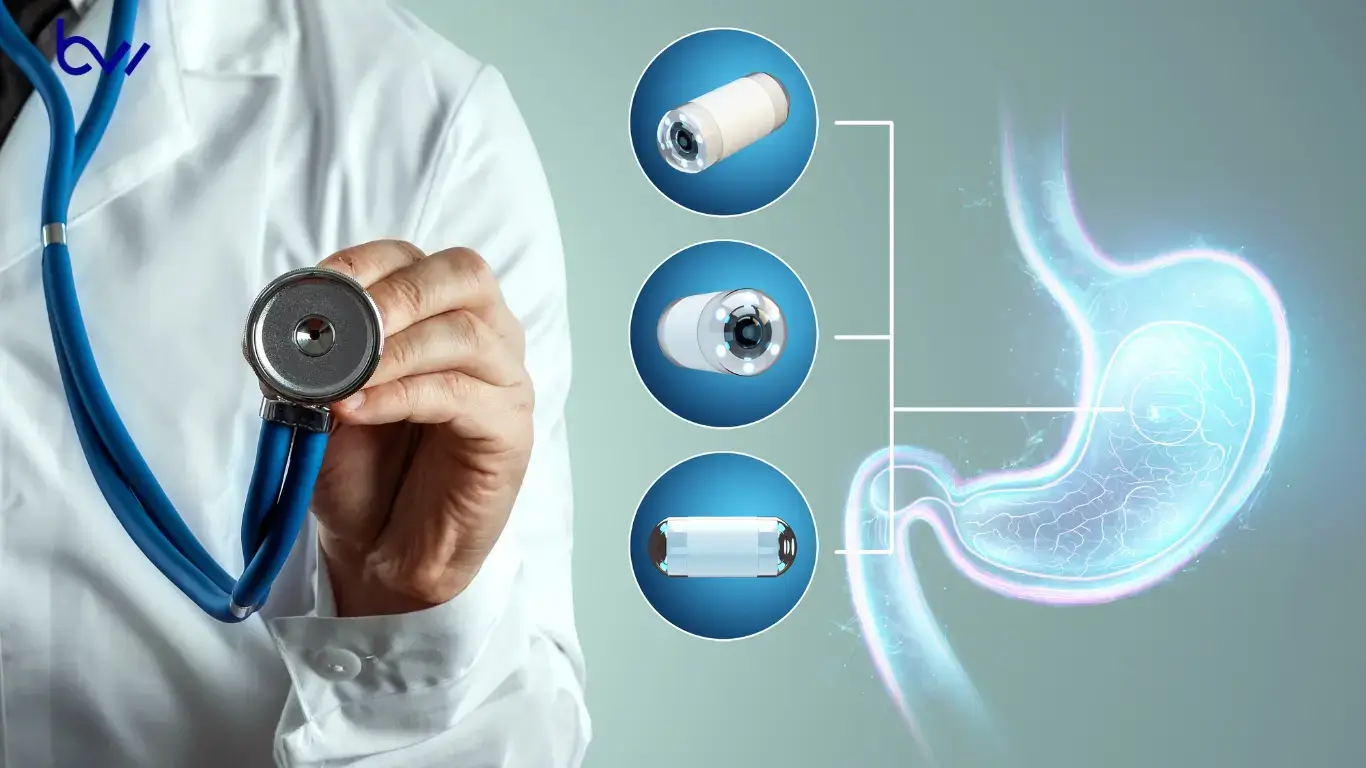
An Upper endoscopy—also known as an EGD (Esophagogastroduodenoscopy)—examines the upper part of your digestive tract. Because the scope only goes as far as the small intestine, the prep is generally less rigorous than a colonoscopy, but just as important.
The goal is to ensure your stomach is completely empty.
Foods to Avoid Before an Endoscopy
The primary focus is avoiding foods that are slow to digest and leave behind residue. You’ll be asked to stop eating solid food altogether at least 6–8 hours before the procedure, but starting this process earlier is helpful.
- High-Fiber Foods: Whole grains, cereals, nuts, and seeds.
- Greasy/Fatty Foods: Anything that is slow to move out of the stomach.
- Red or Purple Colored Foods/Drinks: These can sometimes be mistaken for blood or make tissue look discolored.
What Can I Eat 2 Days Before an Endoscopy?
Two days out, you should be on a very light, low-residue diet. This is a great time to focus on:
- Lean Protein: Chicken or fish without skin.
- White Bread or Rice: Low-fiber starches.
- Peeled and Cooked Vegetables: Like carrots or potatoes.
- Simple Clear Broth: This is an excellent choice for hydration and nutrition.
Clear Liquid Diet Guidelines
Starting the day before, you’ll be on a strict clear liquids diet. Remember, if you can’t see through it, you shouldn’t drink it.
YES (Approved Clear Liquids):
- Clear chicken, beef, or vegetable broth (not creamy soup)
- Clear apple juice or white grape juice (no pulp)
- Clear sports drinks (like Gatorade, but avoid red/purple colors)
- Plain water (until your fasting cutoff time)
- Tea or black coffee (no cream, milk, or non-dairy substitutes)
- Plain Jell-O (avoiding red/purple colors)
NO (Not Allowed):
- Milk, cream, or any dairy or non-dairy creamer
- Orange juice or any juice with pulp
- Smoothies or protein shakes
- Alcoholic beverages
- Solid food of any kind
Endoscopy Prep Drink – What You Should Know
For most routine upper endoscopy procedures (EGDs), there is no need for a dedicated, unpleasant endoscopy prep drink. The liquid diet and several hours of strict fasting before endoscopy are enough to empty the stomach.
However, if your endoscopy is a colonoscopy, or if your doctor is examining deeper into the small intestine, you will absolutely be prescribed a specialized, high-volume cleansing solution. These solutions work quickly and thoroughly, ensuring the colon is completely clean.
The best advice for drinking these: keep it cold, drink it with a straw (placed far back on your tongue), and drink it quickly to avoid the taste.
Bowel Prep for Endoscopy – Do You Need It?
You only need bowel prep if your procedure involves examining the lower digestive tract, primarily a colonoscopy.
- EGD/Upper Endoscopy: Generally, NO. Fasting is sufficient.
- Colonoscopy: YES. The prep is mandatory to clear out the entire colon.
If you are having both procedures done at the same time (often called an EGD/Colonoscopy combo), you will need to follow the full bowel prep regimen.
What Not to Do Before an Endoscopy
Many of the preparation steps focus on what to stop doing, as these actions can compromise your safety or the procedure’s success.
- Do Not Ignore the Fasting Cutoff: This is the most important safety rule for any procedure involving sedation. Ignoring it puts you at risk of aspiration.
- Do Not Take Prohibited Medications: Strictly follow instructions on blood thinners, NSAIDs, and GLP-1 medications.
- Do Not Drive Yourself Home: The sedation will impair your judgment and reflexes.
- Do Not Hide Information: Be honest with your doctor about all medical conditions, allergies, and the preparation steps you followed (or didn’t follow).
Accidentally Ate or Drank Water Before Endoscopy — What Happens?
This is a very common worry! If you have accidentally drank water before endoscopy or eaten a small amount of food after the strict fasting cutoff, you must tell the nurse or doctor immediately upon arrival.
It is better to be honest than to proceed unsafely.
- A Tiny Sip of Water: In some cases, if it was a very small amount long before the procedure, the doctor may choose to proceed.
- Solid Food or Large Amounts of Liquid: If you ate solid food or drank a significant amount of liquid after the cutoff, your procedure will almost certainly be postponed. This is not a punishment—it is a life-saving safety measure to prevent aspiration pneumonia under sedation.
Medications You Must Stop Before an Endoscopy
Review your full medication list with your doctor, as this list can be complex and depends on your medical history.
- Anticoagulants/Blood Thinners: (e.g., Warfarin, Eliquis, Xarelto, Plavix) These must be stopped as they pose a high risk of bleeding during a biopsy or polyp removal.
- NSAIDs: Ibuprofen and Naproxen can increase the risk of minor bleeding.
- Iron Supplements: Can obscure the view inside the digestive tract.
- GLP-1 Medications (Ozempic, Wegovy, Mounjaro): Must be stopped well in advance due to delayed stomach emptying.
- Certain Diabetes Medications: Your dose may need to be adjusted the day before or the morning of the procedure to prevent low blood sugar while fasting.
After the Endoscopy — Recovery, Eating, and Safety Tips
Once the procedure is done, you will be taken to a recovery area until the effects of the sedation wear off.
- Initial Recovery: You might feel groggy, but you should wake up quickly. It’s very common to have a minor sore throat after endoscopy from the insertion of the scope; throat lozenges or warm tea can help.
- Eating: Once fully awake, the nurse will likely give you water and a light snack (like crackers). Start slow with easily digestible, bland foods. Avoid heavy, fatty, or spicy foods for the rest of the day.
- Safety: The most crucial point of recovery after endoscopy is that the sedation will impair your judgment for the entire day. Do not drive, operate heavy machinery, sign legal documents, or make important decisions for 24 hours.
When to Call Your Doctor After an Endoscopy
While serious complications are rare, you should always monitor your body and know the signs that warrant a call to your doctor or a trip to the emergency room.
- Severe or Persistent Pain: If the abdominal pain is sharp or worsening and not just mild cramping or gas.
- Fever: A temperature over 100.4°F (38°C).
- Persistent Bleeding: More than a few streaks of blood in the stool (if you had a colonoscopy).
- Difficulty Swallowing: If your sore throat is so severe that you can’t swallow liquids.
- Vomiting: Especially if you are vomiting blood.
FAQs
Q: What is the usual prep for an endoscopy?
For an upper endoscopy (EGD), prep is mostly strict fasting before endoscopy (no food for 6-8 hours; no liquids for several hours). If you are having a colonoscopy, you must complete a full liquid-based bowel prep.
Is the prep for an endoscopy painful?
No, the prep itself is not painful, though the bowel prep for a colonoscopy can be uncomfortable due to the diarrhea it causes. For an EGD, the prep is just fasting before endoscopy, which is generally easy.
Can I brush my teeth before an endoscopy?
Yes, you can and should brush your teeth. Just be careful not to accidentally swallow any water.
How long is an endoscopy from start to finish?
The procedure itself takes only 15 to 30 minutes. However, plan for the entire process—including check-in, sedation, and recovery—to take 1.5 to 3 hours total.
How long does the sedation last?
The sedative (often Propofol) wears off quickly, which is why your actual procedure is so fast. However, the residual effects that impair your judgment and coordination can last for several hours. This is why the 24-hour no-driving rule is absolute.
Do you have to clear your bowels for an endoscopy?
Only if you are having a colonoscopy or a procedure examining the lower tract. For a routine upper endoscopy (EGD), you only need to fast; bowel prep is not required.
What if I have extreme trouble with the endoscopy prep drink?
If you are struggling to keep the endoscopy prep drink down, stop and call your doctor right away. They may be able to prescribe an anti-nausea medication or a different type of prep.
Conclusion
Successfully completing your endoscopy preparation is truly the hardest part of the entire process. By carefully following the guidelines for your upper GI endoscopy prep, paying close attention to the timing of your clear liquids and the strict fasting before endoscopy, and making necessary adjustments to your medications, you are setting yourself up for a successful procedure.
Remember to take full advantage of the required recovery time. The few days of preparation and the day of rest afterward are a small price to pay for the clarity and peace of mind that a successful endoscopy provides. If you have any lingering doubts or questions about what is the prep for an endoscopy, do not hesitate to call your doctor’s office—they are there to help!

- Medical training, Dow Medical College, Karachi, Pakistan, 2006
- Internal Medicine Residency, Guthrie Robert Packer Hospital, Sayre, PA, 2013
- Infectious Diseases Fellowship Training, The Ohio State University, Columbus, OH, 2015
CERTIFICATIONS
- Diplomate American Board of Internal Medicine, 2013